
About us
You spent most of your life thinking everyone else found this stuff easy. Concentrating. Remembering things. Sitting still through meetings. Picking up the social signals you kept missing. Managing the energy levels other people seemed to manage without thinking. Then somewhere — a friend, an article, a self-test taken half-jokingly — you started to wonder. And once you started wondering, things began to make a different kind of sense.
If you are an adult who has recently been diagnosed with ADHD or autism, or who is exploring whether you might be, what we want you to know first is this: a lot of what you have been carrying as personal failure is much more likely to be the cost of running neurodiverse hardware on neurotypical assumptions for a long time. That is not a small thing. The grief, the relief, the anger, the rethinking of everything — all of it is recognisable, and all of it is appropriate.
What our neurodiversity work looks like
We work with neurodiverse adults across a spectrum of presentations — ADHD, autism, dyslexia, dyspraxia, and the increasingly common late-diagnosis or self-identifying experience. We work with the practical questions (focus, organisation, managing energy, navigating work) and with the deeper ones (identity, relationships, the grief of seeing your earlier life through a different lens).
We do not pathologise neurodivergence. We work from an affirming model — meaning the goal is not to make you function more like a neurotypical person but to help you understand how you are wired and build a life that works with that wiring rather than against it.
The work draws on whatever is useful — CBT-informed approaches for specific patterns that are causing distress, ACT for the values-led questions of what kind of life you actually want, person-centred work for the experience of finally being met as you are. We adapt to how you process. Some neurodiverse clients want structured, focused work. Others want a more open conversational space. Both are valid.
Including LGBTQIA+ neurodiverse clients
There is significant overlap between the LGBTQIA+ and neurodiverse populations, and we work with that overlap directly and affirmingly. If both are part of your experience, you will not have to choose which one to bring into the room.
Online sessions, designed to work
The majority of our work is conducted online — which for many neurodiverse clients is significantly more accessible than in-person work. Familiar environment. No travel. The option of fidgeting, walking around, having a drink, or doing whatever helps you regulate. Online sessions are not a compromise. For many neurodiverse clients they are actively better. Face-to-face sessions are available in some locations — please ask.
Who you would be working with
Hope Therapy is a team of more than 90 qualified counsellors and therapists, including practitioners with specific training and experience in working with ADHD, autism, and the wider neurodiverse experience. Every therapist is a registered member of a UK professional body. We are an NCPS Organisational Member.
The matching matters more here than in many other areas of work. Working with someone who genuinely understands neurodivergence — rather than someone who is willing to but does not — makes a substantial difference. We will match you accordingly.
How starting works
A free 15-minute consultation is the most useful first step. It costs nothing, commits you to nothing, and gives you a chance to ask anything you want before deciding. If executive function is making the idea of booking feel like a mountain, please know we keep the process deliberately light — a few clicks, a short conversation.
A note on what we don't offer
We do not provide formal diagnostic assessment for ADHD or autism — that requires a clinical psychologist or psychiatrist. We can support the process of seeking diagnosis, work with you through the experience of being diagnosed, and work with you indefinitely afterwards. But the diagnostic step itself sits with a different kind of professional.
We do not provide crisis support and do not work with people who are actively at risk of harming themselves. If that is where you are right now, please contact the Samaritans (116 123, free, 24 hours), your GP, or 999 in an emergency.
One honest thing
Therapy will not change the fact that you are neurodiverse. That is not the goal. What it can do is help you understand how you are wired, work with that rather than against it, and build a clearer relationship with the parts of your life that have been shaped — for good and ill — by years of running on assumptions that did not fit.
When you are ready, we are here.
Training, qualifications & experience
Our mental health and wellbeing support includes private clients looking for personal counselling (One to One, Couples & Families) through to Large County Councils, Charities and Companies where the organisation may be arranging or funding sessions, possibly through an Employee Assistance Programme (EAP) arrangement.
We have access to counsellors covering a large number of areas throughout England, so you may well be able to see us face-to-face wherever you are. However, we all offer Skype, Zoom and telephone support, so wherever you are, we will be able to work with you. People work with us from literally all areas of the country and, in some cases, from abroad.
Member organisations *
school Registered / Accredited
Being registered/accredited with a professional body means an individual must have achieved a substantial level of training and experience approved by their member organisation.

BACP is one of the UK’s leading professional bodies for counselling and psychotherapy with around 60,000 members. The Association has several different categories of membership, including Student Member, Individual Member, Registered Member MBACP, Registered Accredited Member MBACP (Accred) and Senior Registered Accredited Member MBACP (Snr Acccred). Registered and accredited members are listed on the BACP Register, which shows that they have demonstrated BACP’s recommended standards for training, proficiency and ethical practice. The BACP Register was the first register of psychological therapists to be accredited by the Professional Standards Authority (PSA). Accredited and senior accredited membership are voluntary categories for members who choose to undertake a rigorous application and assessment process to demonstrate additional standards around practice, training and supervision. Individual members will have completed an appropriate counselling or psychotherapy course and started to practise, but they won’t appear on the BACP Register until they've demonstrated that they meet the standards for registration. Student members are still in the process of completing their training. All members are bound by the BACP Ethical Framework and a Professional Conduct Procedure.

The National Counselling and Psychotherapy Society This Not For Profit association of counsellors and psychotherapists aim to support the counselling profession, members and training organisations. In 2013 the NCS register was accredited by the Professional Standards Authority under the Accredited Voluntary Register Scheme. Accredited by the Professional Standards Authority.
Areas of counselling we deal with
Therapies offered
Photos & videos




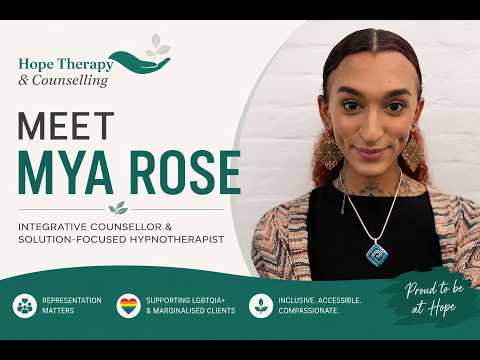
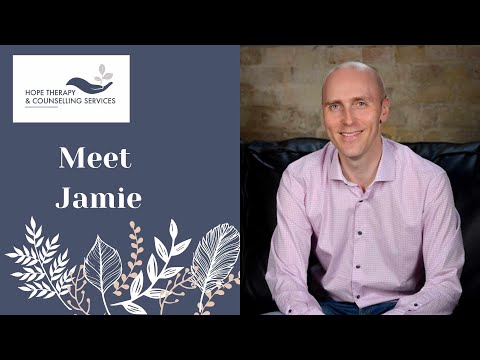


Fees
Concessions offered for
Additional information
- Standard sessional rate is £65 per session
- Couples Counselling is £85 per session
- Other prices are available on request
When we work
Flexible hours are offered. Please ask for availability.