Could creative counselling be for you?

When looking at therapy, it’s easy to think that one-size-fits-all applies. But people have different personalities, different ways of thinking, and different things that help them feel safe.

It can feel confusing to decide which type of therapy might be right. A quick online search can bring up 10 or more different approaches, so how does someone know where to start?
This article explores creative counselling and offers a sense of what it can be like.
What is creative counselling?
Many people assume creative counselling means being “good at art”. That can bring up fears, leading people to question:
- Will I be judged if my art isn’t good enough?
- Will others see it?
- What if I don’t want to draw today?
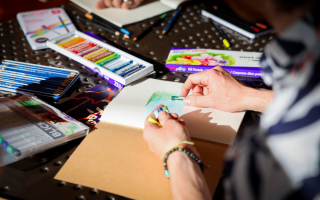
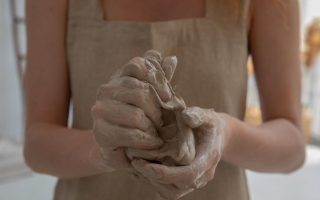
Creative counselling often combines different approaches such as drawing, painting, clay, sand trays, stones, imagery, or role play. It should always be done at the person’s own pace and with their agreement. The aim is not to produce artwork but to use creative materials to explore what is happening inside.
Creative approaches can help when words feel hard to find. They can tap into parts of the mind that haven’t been put into words yet. For some people, talking alone can feel like hitting a wall. Creative tools can offer another way in. A good creative session can bring moments of “I didn’t realise I felt that”, alongside the reality that counselling can also be difficult and emotional at times.
Creative counselling: a case study
Step into a creative counselling room with me and imagine a client who believes she is “bad at art” but enjoys colour and visualising things. She is exploring loneliness. When asked what that feels like, she marks a small dot on a page filled with stars and swirls that represent galaxies. The counsellor sits alongside her, saying little, and later asks about the picture.
Through talking, she notices the small dot is her. She often feels swallowed up by the noise and busyness of life. Together, she and the counsellor consider strategies, such as building in quiet periods to help her feel restored after busy days. She leaves feeling pleased, because the drawing helped her explain a feeling she didn’t have words for before, and she can now take steps towards change.
This shows how creative counselling can help process things without relying only on words. The image becomes a starting point for understanding, not an end product to be judged.
Common myths about creative counselling
There are a few misunderstandings that can put people off trying it.
Myth 1: I’m not creative, so it’s not for me
Creativity in counselling is not about skill. It’s about expression. A scribble, a line, choosing a stone, or moving sand can be enough. There is no test and no audience.
Myth 2: It’s only for children
Creative approaches are used with adults as well. Many adults find that words alone don’t reach everything they are carrying, especially when experiences feel overwhelming or hard to name.
Myth 3: I will be made to do something uncomfortable
Ethical practice means choice. A person can say no to an activity, stop at any point, or choose to talk instead. The counsellor’s role is to offer options, not to direct.
Who is creative counselling for?
Everyone is creative in some way, but many people have had experiences that made them believe they have to get art “right”. In creative counselling, there is no right or wrong.
Creative approaches can suit a wide range of people. Some neurodivergent people find creative approaches more accessible, particularly if traditional talking therapy feels too fast, too verbal, or too abstract. Having other ways to show what is going on can reduce pressure and make sessions feel more accessible.
It can also be helpful for people recovering from trauma. Sometimes trauma is stored in ways that are difficult to speak about at first. Creative materials can allow distance and safety, so someone can approach feelings step by step, rather than all at once.
Those who have tried more traditional talking therapy and felt it was not a good fit may also benefit from creative counselling. If sessions felt too rigid, too clinical, or like something was missing, creative counselling can offer a different way to engage. It can bring flexibility, imagery, and a sense of play or curiosity back into the room.
Creative counselling can also support people who struggle with anxiety, low self-esteem, or feeling out of place. Making something external can help someone see their experience differently. It can create space between the person and the problem, making it easier to think about change.
Ultimately, creative counselling is for anyone who wants more than one way to explore their thoughts and feelings. It does not replace talking. It works alongside it. The mix will look different for every person, and that is part of the point: therapy that adapts to the person, not the other way around.
If you're curious about whether creative counselling could be right for you, speaking with a qualified counsellor can help you explore the different approaches available and find one that feels like the best fit for your needs.

Find the right counsellor or therapist for you
All therapists are verified professionals