Finding your way through anxiety

One of the questions I am asked most often as a therapist is: "How can I get rid of my anxiety?"
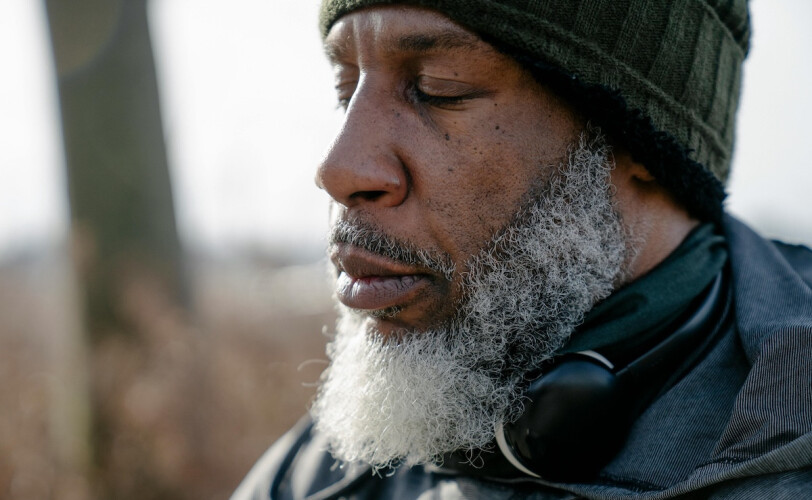
It's completely understandable that we want to escape the uncomfortable physical and emotional sensations that anxiety brings. The tightening in the chest, racing heart, clammy palms, shaky legs, shortness of breath and overwhelming sense of dread can leave us feeling frightened, exhausted and desperate for relief.
But what if, instead of fighting against anxiety, we tried a different approach?
Anxiety is our nervous system's natural response to a perceived threat. It is a protective mechanism, designed to keep us safe by preparing our bodies to respond to danger. Sometimes, however, this response becomes overactive, leaving us feeling constantly on edge, even when there is no immediate threat.
Rather than battling these feelings, we can begin to work with our nervous system, gently helping it to settle and find a greater sense of safety and balance.
Here are five simple ways to begin.
Step 1: Practice self-compassion
When anxiety arises, our instinct may be to criticise ourselves or become frustrated with how we are feeling. Instead, try approaching yourself with kindness.
Remind yourself that your nervous system is simply trying to protect you. You might gently say to yourself: "It's OK. I am feeling anxious right now, but I am safe in this moment. I don't need to fight these feelings."
Changing the way we speak to ourselves can make a real difference. Let your inner voice become one of reassurance rather than criticism.
Step 2: Practice breathing
Breathing is something we do automatically, often without giving it a second thought. Yet taking a few moments to become aware of our breath can help us reconnect with the present moment.
Try sitting somewhere comfortable and gently noticing the natural rhythm of your breathing. Feel the air entering and leaving your body. If it feels comfortable, allow your out-breath to become a little slower and longer than your in-breath, without forcing it.
Even a few minutes of mindful breathing each day can offer a welcome pause from anxious thoughts and worries.
Step 3: Simplify
Anxiety can make everything feel urgent. Our minds race ahead, anticipating problems and imagining what might go wrong.
One way to counter this is to slow things down. Rather than filling every moment with activity, introduce small, simple rituals that bring a sense of calm and familiarity.
Perhaps it's enjoying a cup of tea in the garden, lighting a candle, listening to your favourite music or taking a gentle morning walk. These small moments of pleasure and connection can help you feel more grounded and present.
Step 4: Rest
When we're anxious, it can be difficult to switch off. We may feel compelled to keep busy, distract ourselves or constantly find something else to do. But rest is not a luxury; it is an important part of looking after our emotional wellbeing.
Give yourself permission to slow down. Spend time in nature, read a book, listen to music or simply sit quietly without feeling that you have to achieve anything. Remember that being is just as important as doing.
Step 5: Consistency
Creating gentle, predictable routines can help bring a sense of stability to everyday life.
Try to establish regular patterns around sleep, meals, exercise and the activities that help you feel good. Small, manageable habits, repeated over time, can provide a reassuring structure when life feels uncertain or overwhelming.
There is no need to get everything right. The aim is simply to create a little more space for calm and predictability in your day.
Managing anxiety isn't about eliminating every uncomfortable feeling or expecting ourselves to be calm all the time. Anxiety is part of being human, and sometimes it is telling us something important that needs our attention.
The way forward may involve doing a little less, rather than trying harder. Learning to listen to ourselves, respond with compassion and gradually build a greater sense of safety and trust.
And remember, you don't have to work through anxiety alone. Counselling can offer a safe, supportive space to explore what's happening beneath the surface, understand your feelings and discover new ways of relating to yourself.
Sometimes, the first step towards feeling better is simply learning to be a little kinder to yourself.

Find the right counsellor or therapist for you
All therapists are verified professionals