The silent impact of your parents' divorce and what can help

Family separation touches the lives of millions of children across the UK. Government estimates suggest there are around 4 million children living in separated families in Great Britain, while some research suggests that nearly half of children will experience parental separation before reaching adulthood. Yet despite how many young people are affected, conversations about its impact are often missing.
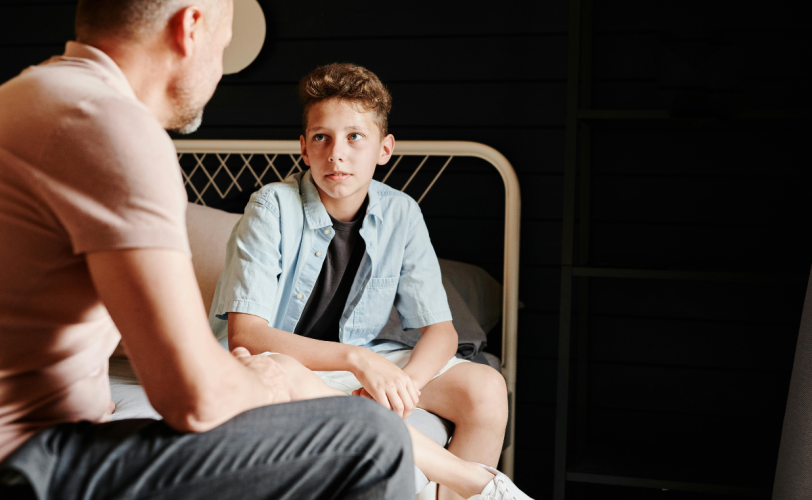
I thought my parents' divorce was something I'd already dealt with. It wasn't until years later that I realised how much it was still affecting me.
- Priya, 24
You may tell yourself that it happened years ago, that you should be over it by now, or that there is no point revisiting the past. As a result, the impact can remain hidden for years, only becoming more visible when difficulties begin to emerge in relationships, self-esteem, trust, or emotional well-being later in life.
The silent struggle
Parental separation often brings a mixture of emotions that can be difficult to express. You might feel sadness, anger, confusion, relief, guilt, or even all of these at once. Sometimes young people get caught in the middle, worried about upsetting one or the other of their parents, or unsure whether their feelings matter when so much attention is focused on the parents.
What can make this particularly challenging is that the impact is not always obvious. In some cases, the effects only become apparent when difficulties begin to emerge in friendships, romantic relationships, or other areas of life.
The hardest part wasn't my parents' divorce itself. It was carrying the impact alone for years afterwards.
Talking openly helps
One of the most powerful things you can do is talk about your experience. You may worry about burdening others or simply not know how to explain what you are feeling. As a result, your thoughts and feelings can remain bottled up for years.
Counselling offers a confidential and non-judgmental space where you can explore these experiences at your own pace. Having someone listen without bias can help you make sense of complex situations and emotions. Often, simply being heard and understood can be an important step towards healing. It can also help you recognise connections between past experiences and current challenges that you may not have noticed before.
Priya describes counselling as an important part of her journey, but also reflects that there were aspects of her experience she was not ready to discuss straight away. Like many young adults, she focused on immediate stresses and challenges before recognising the deeper impact that her parents' separation had on her life.
Sometimes healing begins not when we find the answers, but when we finally find the words.
Stories from others in similar situations
Parental separation can feel isolating, particularly if you believe the people in your life cannot relate to what you are experiencing. Many young people describe feeling different from their peers or struggling with challenges that others seem not to understand. This sense of being alone can make it even harder to talk openly about what you are going through.
Connecting with others who have lived through similar experiences can be incredibly validating. Hearing someone express feelings you have never been able to put into words yourself can reduce feelings of isolation and help you realise that your reactions are normal.
I didn't realise how much I needed to hear, "I've felt that too".
For Priya, this opportunity came when she joined Your Direction, a free online workshop series where young people whose parents have separated meet to share their experiences and learn 10 skills that help them to build healthy relationships across all aspects of their lives.
Meeting other young people whose parents had separated helped her realise that many of the feelings she had carried for years were shared by others. Sometimes, knowing that you are not the only one can be a powerful step towards healing. Support groups such as Your Direction can provide that valuable additional layer of support and work well alongside counselling.
Developing tools and skills to cope with conflict and relationships
Experiencing parental conflict or separation can influence how you view relationships, communication, and conflict resolution. Some young people become highly sensitive to disagreements, whilst others may find themselves avoiding conflict altogether. These patterns can affect friendships, romantic relationships, and family connections later in life.
The good news is that these skills can be learned and strengthened. You can develop healthier communication skills, emotional regulation strategies, and greater confidence in managing difficult situations. Learning to recognise your needs, set boundaries, and navigate relationships in a healthy way can have lasting benefits well into adulthood.
Priya reflects that understanding the impact of her parents' relationship helped her recognise some of her own responses to conflict and trust. Rather than feeling defined by these patterns, she began to see that awareness gave her the opportunity to make different choices moving forward.
Advocating for yourself
When parents separate, young people can sometimes feel that decisions are being made around them rather than with them. This may leave you feeling unheard or uncertain about how to express your needs and preferences. Over time, some young people become accustomed to staying silent, even when something is affecting them deeply.
Learning to advocate for yourself means recognising that your voice matters. This could involve communicating your feelings more openly, asking for support when you need it, or expressing your views about arrangements that affect you. Developing self-advocacy skills can help you build confidence, strengthen relationships, and feel more empowered in your own life.
Being heard does not always mean having control over every situation, but it can help you feel more respected, valued, and understood.
A valuable companion to counselling
Counselling offers a confidential space to explore personal thoughts and feelings, while workshops and support groups create opportunities to connect with peers, learn together, and realise they are not alone in their experiences. Many young people actually find that the combination of individual reflection and shared learning helps them gain new insights into their experiences.
However, there is no single "right" way to navigate the impact of parental separation. Different forms of support can work together and offer something unique, so it is important to find what feels right for you.
If your parents have separated and you are finding the impact difficult to navigate, it is important to remember that support is available. With the right support, you can not only make sense of what you have been through, but build confidence, strengthen relationships and shape the future you want for yourself.
Your Direction is on a mission to empower young people to navigate the challenges of parental separation to build confidence, resilience, and hope for their future.


Find the right counsellor or therapist for you
All therapists are verified professionals