Not sure about therapy? How outdoor therapy might feel different

You might have been thinking about starting therapy, but the idea of sitting in a room with a therapist sounds intimidating, claustrophobic or even boring. There are many different approaches to therapy, and one therapy room can look and feel very different to another.
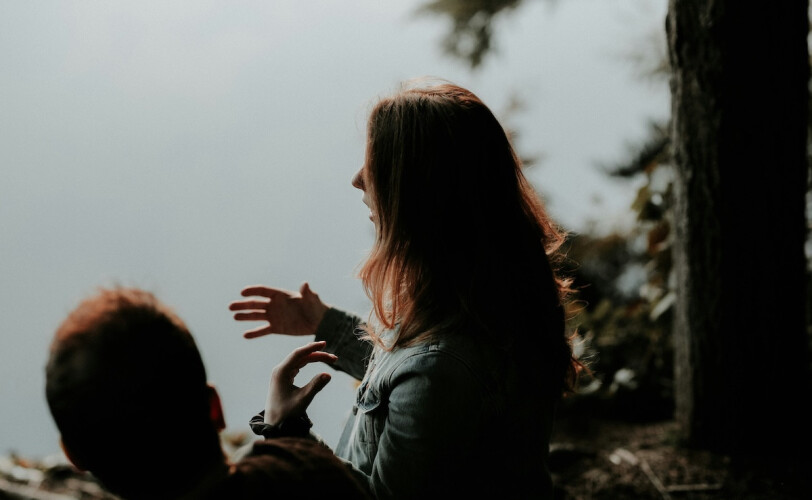
If being in an enclosed space is putting you off, outdoor therapy might be a good option. This article will explore how outdoor therapy can take away some of the barriers people experience with indoor therapy.
Ease anxiety about starting therapy
Whatever format you choose for therapy, it is totally normal to feel some anxiety about getting started. However, an outdoor setting can remove some of the things that trigger anxiety. For example, if you are anxious about having to sit in a waiting room, there is no waiting room outside. If you’re worried about what happens if you see someone you know, if you’re outdoors, there is no reason for them to think you are in a therapy session.
Perhaps you’re stressed about making eye contact. You don’t have to make eye contact outside, and walking or sitting side by side can feel much less intimidating than sitting across from a therapist. Just being in a natural space also has positive effects on mental health. Research shows spending time in nature can reduce stress and boost Vitamin D, which is a mood enhancer. This can help you feel calmer and alleviate anxiety.
Shift feelings of being stuck
Being in a room for an hour can feel confining, but being outdoors for an hour doesn’t tend to have the same effect. If you are feeling stuck in some aspect of your life, you may not want to feel physically stuck in a room. Walking during an outdoor therapy session can help you work through those feelings of being stuck.
Connect with your body
If you are seeking therapy to reconnect with your body, outdoor therapy can make that easier because it encourages you to use your body more actively during the session. Being in motion in an outdoor session can also appeal if you find sitting for extended periods uncomfortable. For example, if you are someone who stims, it can feel very exposing to do this in front of someone you have just met. Walking is a repetitive movement, so walking outdoors with your therapist can provide a form of self-stimulation.
Make silences less awkward
One of the biggest fears around starting therapy can be awkward silences. You may feel very uncomfortable with silences or feel pressure to talk and fill the gap. Allowing for space to reflect can be really powerful in therapy. Silences outdoors tend to feel less pressured. It is never truly silent. There may be the sound of leaves rustling in the wind, birdsong, or your own footsteps. It can be easier to allow for those pauses and give yourself time to think.
Find the words
Putting feelings into words can be difficult. Therapists often use metaphors to help people articulate their emotions and experiences. Nature provides inspiration for many metaphors. These can help you find the words to describe what you are experiencing. For example, if you are trying to make a decision in life, you may liken this to a fork in the path that you come across. Perhaps one route is more open, and you can clearly see where it leads; the other is more shaded and unclear. This may mirror the choices you are facing in your life.
Improve focus
There may be things you would like to work on in therapy, but you find it hard to stay focused. You might be worried about going off on tangents or getting distracted. Firstly, if you do get distracted or go off on a tangent, that is completely OK. Tangents can often lead to important realisations. Secondly, some research suggests that spending time in nature has been shown to boost concentration and cognitive function, particularly for those with ADHD.
Nature will also present its own distractions, which can become part of the therapeutic process. You can explore with your therapist how you react to these distractions, which may give further insight into your thoughts, feelings and behaviours.
Feel less formal
Going to see a professional in an indoor setting, like a doctor or dentist, can feel like they are assessing you and telling you what to do. A therapist is not there to tell you how to live your life, but if the setting feels similar to those of other professionals, it can be hard to approach it with a different mindset.
Outdoor therapy can take away the formality as it is not a clinical setting, and you can be side by side, which can feel more equal. When they are traipsing along next to you in the mud, it is easier to see your therapist as another human being as opposed to an expert who is going to tell you what to do.
Therapy can take place in different formats, which may suit different people. Outdoor therapy can bring an alternative way of working and take away some of the barriers that may cause reluctance to access therapy in an indoor setting. There are things to consider, such as your own comfort with nature, confidentiality, accessibility, medical conditions and the weather. Your therapist should be able to go through these with you prior to meeting outdoors.
It is also important to remember that your own needs may change over time. Perhaps indoor therapy worked really well for you in the past, but now you are looking for something different.
If this article has resonated with you and you would like to find out more about outdoor therapy, reach out to a counsellor who offers outdoor therapy.

Find the right counsellor or therapist for you
All therapists are verified professionals