More than a pet: The use of dogs in animal-assisted therapy (AAT)

Whether the companionship of a pet or the presence of an animal within a therapy setting, animals can help us navigate our challenges and improve our mental health.
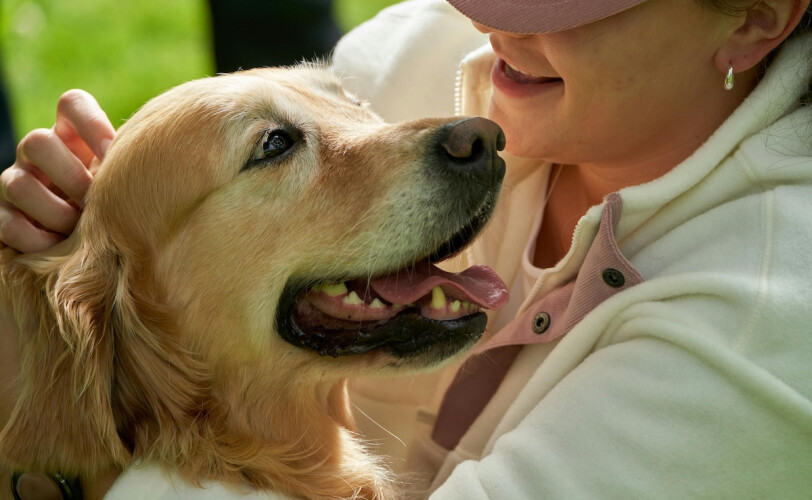
Research shows that interacting with a dog can lower blood pressure (Cardiovascular effects of human-pet dog interactions - PubMed) and increase oxytocin (Oxytocin and Cortisol Levels in Dog Owners and Their Dogs Are Associated with Behavioral Patterns: An Exploratory Study - PMC).
Florence Nightingale said, “A small pet animal is often an excellent companion for the sick, for long chronic cases especially. A pet bird in a cage is sometimes the only pleasure of an invalid confined for years to the same room.” (Nightingale, F. Notes on nursing: What it is, and what it is not. New York: Dover, 1969. P.103), and as an animal lover and counsellor with a therapy dog - I agree.
What is animal-assisted therapy (AAT)?
“Animal-assisted therapy involves interacting with animals as well as a therapist to help you explore your feelings and experiences in a different way.” – BACP What is animal-assisted therapy?.
AAT is a therapy that incorporates the presence of an animal to support the therapeutic work. Dogs are often involved in this work due to their ability to form bonds, as their intuitive nature allows them to be valuable companions within a therapy setting with clients and counsellors.
How dogs enhance the therapeutic process
Dogs can bring unique qualities to therapy; their non-verbal communication can support clients in ways which can promote connection and emotional expression without the need for words. Below are some of the ways dogs can support the therapeutic process.
Co-regulation
Dogs can offer a calming presence, responding to human emotion. This can reduce client anxieties and help regulate their breathing and emotions.
Relationship building
The bond with a dog can model trust, acceptance and non-judgement. This positive relationship with a dog may be more accessible for some clients, offering an entry to relational work.
Creativeness
A dog’s presence can introduce playfulness and creative expression. This can encourage imaginative or alternative ways of expressing emotion.
Grounding
In moments of disconnection, a dog can support a client to be in the here and now. Engaging with a dog or watching their movements can be a powerful tool for grounding.
Ethical and practical considerations for a dog in AAT
There are a variety of considerations on whether to introduce a dog into your practice as a therapist. The following points are what I feel are important for you to consider:
Dog training
Therapy dogs require consistent training to ensure their well-being and safety in a variety of situations.
Dog assessment
Dogs involved in therapy should be assessed for temperament, behaviour and suitability for therapeutic environments. Ongoing observations are also a vital part of ensuring the dog remains suitable and safe for being involved with therapeutic work.
Counsellors checklist
Practitioners should have further training in animal-assisted therapy and engage in supervision reflecting upon their work and the dynamics introduced by a dog’s presence.
They should also ensure they have insurance and a policy around the work they do, which includes risk assessments and procedures for potential situations, such as if the animal becomes unwell during the session.
Safeguarding clients
Consent by clients must be provided ahead of introduction to this work; clients must have the option to decline this interaction, and factors such as allergies and fears must be considered.
Safeguarding animals
The dog's well-being must be prioritised; clear boundaries and rest time are important. Ongoing observations must be made as part of ethical work.
Additional approaches to animal therapy
There are alternatives to introducing your own dog to therapy; these can be beneficial to client work. These alternatives are:
Working remotely with clients
You may encounter working remotely with clients who are joined by their dog when engaging in therapy from home, which can support regulation and comfort. A dog may curl up beside a client during their session or be noticed when exploring emotion.
Therapists can gently acknowledge this, noticing when the client engages with their dog or encouraging the client to pause and connect, helping them regulate or return to the present if needed.
Visualisation in therapy
Visualisation can be a powerful tool within therapy for some clients, imagining the presence of a calm, comforting dog can support regulation, self-soothing and connection. A client may imagine a companion dog sitting beside them; this can help symbolise acceptance.
Clients can be invited to describe the dog or reflect on how it makes them feel. This allows for the benefits of animal-assisted work to be accessed when no real-life animal is present.
Potential reflections
If you are considering including animal-assisted approaches within your practice, it can be helpful to reflect on the below:
- What draws me to working with animals in a therapeutic setting?
- How may this complement my existing way of working?
- How may this challenge my existing way of working?
- Are there any ethical or practical concerns I need to consider?
Exploring these reflections can help you find clarity on whether introducing a dog to your therapeutic practice would be beneficial for you.
Final thoughts
Working alongside dogs can add a further dimension to therapeutic work. Their ability to create a connection and soothe distress can allow the client new ways of engaging in therapeutic work. I recommend you explore CPD and speak with your supervisor to explore what is right for you.
Meet some of our counsellors and therapists
Compassionate professionals, here to help you navigate life's challenges.



Find the right counsellor or therapist for you
All therapists are verified professionals