Divorce: navigating one of life’s toughest changes

Divorce is often described as one of the most stressful life events you can experience. It can leave you feeling like the floor has been swept away from underneath you, often without warning.

Whether you’re the one who decides to end the marriage or the other person, it can provide you with a whole host of feelings such as stress, anxiety, grief, and depression. This can be extremely overwhelming and confusing, not to mention the paperwork and legal side of the proceedings.
The experience of divorce is unique to you, and there’s no right way to experience it. You might feel anger, loneliness, anxiety, guilt, sadness or even relief. Although very difficult, whatever you feel is perfectly fine and natural to go through. Like the cycle of grief, these emotions come, go, come again, sometimes all at once and sometimes one at a time.
You might feel like you don’t know where you are or how you feel from one moment to the next. It’s a challenging but common experience.
Divorce and loss
It is important to remember that grief and loss are not always about death.
Divorce is the formal legal process of ending a marriage – it dissolves the legal duties of both parties, allows both people to marry again, and legally settles property, money, and child care. But emotionally it is a bereavement, and you may grieve the relationship, the future you once thought of, the home, special occasions shared, dreams, routine and maybe even your sense of identity.
Others say, "You should be over it by now," or you may even tell yourself that. There is no time frame, no matter who ended the marriage. Grief doesn’t have a schedule, and it’s OK to have good and bad days. Healing takes time.
The emotional rollercoaster
It's common to experience:
- disbelief and shock
- doubt of self
- loss of confidence
- resentment
- anger
- rejection
- anxiety
- loneliness
- relief
- feeling free
- guilt.
It is also common to question or doubt the decisions made, and you may find yourself playing over conversations in your mind over and over. This is your brain processing the life change, and it's often how the brain copes.
Find self-compassion
It is common to self-criticise when going through a divorce. Blaming yourself for not trying harder, and feeling self-blame and failure, can feel overwhelming.
Having compassion for yourself during this time is essential, and it's important to treat yourself with the understanding and kindness you’d offer your friends. What kind words of advice would you offer someone in the same position as yourself?
Relationships of any kind are complex, and the end of a marriage reflects on two people, not just one.
Allow yourself time to grieve
An expectation from others to move on quickly is very common, but this kind of healing can’t be rushed through. Grieving is a process, not a race. You experience a range of feelings and emotions, each one to be processed often more than once.
Give yourself permission to feel those emotions without any guilt or self-judgment. Express yourself, cry, scream, laugh, rest and safely allow yourself to release the feelings. You can feel the range of emotions and work through them as they come and go.
Suppressing difficult emotions will not make them go away. They are there for a reason and need acknowledging, processing and feeling before we can ask them to move along.
Take care of your physical wellbeing
There is a connection between our emotional pain and our physical health. When one suffers, often the other does too.
Keep an eye on the basics:
- Eat regularly, even if you don’t feel like it, and where possible ensure some healthy foods are consumed.
- Get enough rest and sleep when you can.
- Move your body, even if it's just a short stroll.
- Limit alcohol or other unhealthy coping strategies.
- Accept help and ask friends and family.
By caring for your body, you also help your mind manage stress better.
If children are involved
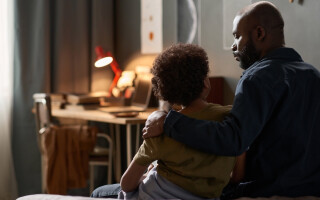
One of the biggest concerns for many parents is the impact divorce can have on their children. No parent is perfect. What children need is parents who are emotionally available, honest, and communicate well with their children (at an appropriate level).
Consider these:
- Reassure the children that divorce is not their fault.
- Don’t involve them in conflict between yourselves.
- Try to keep routines consistent where possible.
- Listen to them and allow them to discuss their emotions.
- Do not ask them to pick a side.
Resilience is learned by watching adults manage their own situations. Focus on honesty and compassion.
It’s your journey
Society and social media may show us how fast others have moved on, and the pace at which others recover can make it seem like they got it all together quickly and without a hitch.
But this isn’t the same for everyone, probably even most. Whilst some may move on quickly and even start dating again, others need time and space to heal and figure out who they are and what they want in the future. Whilst there’s no right way to do this, a break between relationships can help you heal, process, and acknowledge what has happened.
Don’t measure yourself by how others have acted. Focus on you and your journey. There’s no rush or pressure; take your time.
Your sense of identity
Being someone’s wife, husband, or partner for many years can leave us struggling with our identity, and we might question who we are, what we like, and what we want. This can leave us feeling unsettled and confused, but it's also a great opportunity to reset and grow as a person.
Consider rediscovering your identity by creating new spaces for yourself, such as new hobbies, rediscovering friendships, travelling, learning about yourself and trying new things.
This can be a new beginning for you. Yes, one chapter of your life has ended, but another has also just begun! Embrace it, live it. Find you again.
How counselling can help
Divorce is not something you need to face alone. Counselling offers you a confidential, non-judgemental space where you can explore your thoughts and emotions with someone who can listen and support you through the difficult times.
A counsellor won't tell you what to do, but they will encourage you to discover yourself, process the difficult emotions, understand what’s happening, process the grief, rebuild your self-worth and confidence and support you in developing healthy coping strategies
It doesn’t matter if your divorce was recent, it’s happening right now or even if it happened a long time ago. It’s not too late to reach out and ask for support.
Post divorce
Sometimes, when you’re in the process of divorce, it can feel like happiness is an impossible find and leave you feeling that you’ll not experience this emotion again. Then healing begins, slowly but surely, even with lots of challenges along the way.
One day, the chaos may feel a little less heavy than the day before; you will smile again, and laughter will return. You’ll begin to enjoy life again, looking forward little by little. Divorce is the close of a chapter in your life, but this isn’t the end of your story. You are not defined by what has happened; you get to choose how to move forward.
You learn to live with what has happened and accept it in time. You move forward with self-compassion and self-acceptance. You can choose to rebuild your life little by little, creating a life with meaning, purpose and happiness.

Find the right counsellor or therapist for you
All therapists are verified professionals