You're the expert: A guide to person-centred therapy

You may have seen the phrase person-centred therapy before. While it’s a well-known approach, not everyone who practises therapy works purely in this way. As this article will explain, person-centred therapy is a specific type of therapy that has a fundamentally different philosophy to other approaches, which gives a very particular client experience in the room.
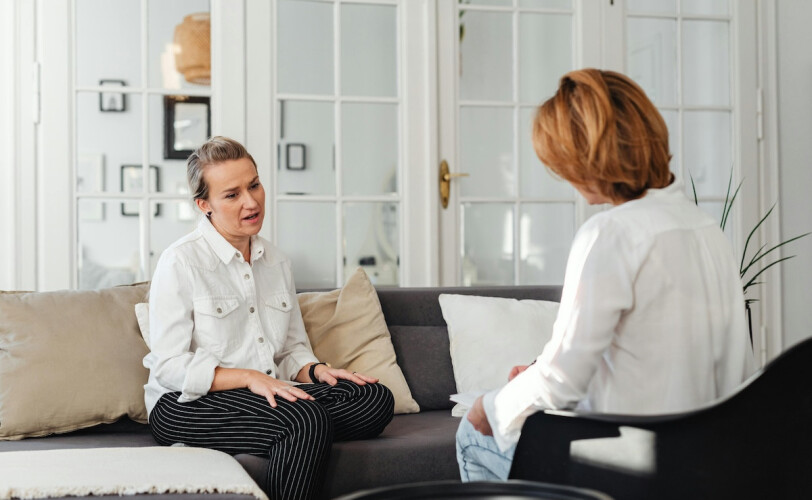
What is person-centred therapy?
Therapy can broadly be split into two types: the therapist either believes they are the expert, or they believe you are. Person-centred therapy believes you're the expert, but what does that actually mean? What does it look like in the therapy room?
In person-centred therapy, the idea is that no one else knows what's best for you, that when it comes to your inner world that only you know best; it is in this sense that you're the expert, rather than the therapist. It doesn't mean you have to know what to do. In fact, that's usually part of the therapy, stepping into the unknown of it and getting in touch with new, hidden, or lost parts of yourself, in your own way and with a therapist's support.
Understanding your personal process
Therapists often talk about a person's "process", and I believe the key to good therapy is when the person is best supported so the process can develop in its own way, free of influence.
You can think of "process" a bit like a plant growing and unfurling from a seed. When it's just a seed, we might not know what will grow, how long it will take, or the direction it takes. All of these are unique to that seed's process, but we provide certain conditions – water, nutrients, light – to help it grow how it needs to. There's no point pulling at the leaves as they emerge, or telling an orchid it just needs to think more like a rose.
Person-centred therapy says that a person's process is best supported in a relationship with these conditions: empathy, acceptance, and trust in you. The only aim of a person-centred therapist is to offer these conditions as best they can. If you can sense these qualities, then that's usually a good indicator.
What to expect in a person-centred therapy session
There are two main ways you'll be able to identify if it's person-centred therapy:
- You are in control – that means you are deciding what to talk about and how to talk about it, completely. The therapist will trust that you know best when it comes to what hurts and what wants to be shared, and how that happens.
- The therapist doesn't give their opinion, advice, diagnosis, or analysis – While advice or analysis can be useful, they don’t always lead to lasting change. People often come to therapy with complex and nuanced issues that can't always be helped with just advice or ideas.
What actually happens in the sessions then? Do I just sit there in silence, nodding along? No, although sometimes silence is there. Your therapist may say things that let you know they're with you, that they understand your world as you see it, and to check the accuracy of that. All with the aim of ensuring they are genuinely empathising with you and that you know and feel that.
It's a very alive and moment-by-moment experience that's hard to get across in writing. When you're being empathised with, it can feel very empowering, freeing, supportive and comforting.
Is person-centred therapy right for you?
To conclude, person-centred therapy is very different to other therapies on a fundamental level, so if you've read this article and it sounds appealing, I recommend finding someone who works purely in this way to see if you get on with them.
Person-centred therapy has a distinct philosophy and way of working, which differs from other therapeutic approaches. Some therapists draw on a range of methods, while others work purely in a person-centred way. It's an all-encompassing way of working for many, so if this approach resonates with you, it may be helpful to seek a therapist whose practice closely reflects these principles.
I hope you're now able to identify whether a therapist is working in a purely person-centred way and make an informed choice about your therapy, depending on what you want. Whoever you choose as your therapist, I hope you find the help and support you're looking for.

Find the right counsellor or therapist for you
All therapists are verified professionals