The many types of loss in life

When we think about grief, most of us think about death, but loss is much broader than that. One reason grief feels so different for everyone is that what we are actually grieving isn't always the same thing.
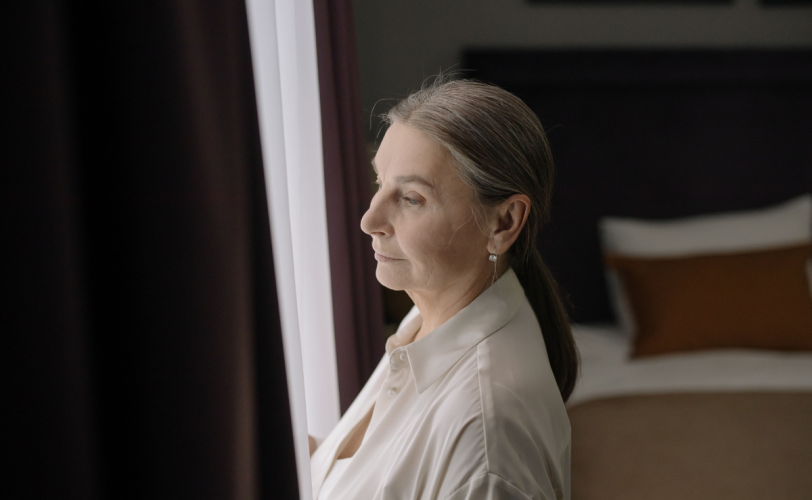
Loss takes many forms. Some are obvious, some are less so, and some are so far off our radar that we don't even recognise them as grief.
Types of loss
Grief beyond bereavement
The most familiar form of loss is, of course, death: the loss of a parent, partner, friend, child, or any other person. These are the losses we expect grief to belong to, but even within death, grief is not the same. The relationship changes everything, the history changes everything, the circumstances change everything.
Loss of relationships and identity
Then there are relational losses that don't involve death at all. Breakups, divorce, friendships ending, and sometimes something even harder to define, such as estrangement from our family.
In these situations, the person may still be alive, but the relationship no longer exists as it once did. This creates a strange kind of grief because there may be no clear ending, no shared ritual, and no universal recognition that something has been lost. But something has been lost.
A quieter form of grief can also come with identity. This can happen when we go through experiences that change how we see ourselves. After trauma or illness, after becoming a parent, or after leaving a job or role that once defined us. Sometimes we are not just grieving what happened. We are grieving who we were before it happened.
Loss of health, independence and ability
Then there is health-related loss. Chronic illness, disability, injury, and even gradual changes in energy, independence or ability can all bring their own forms of grief. This type of grief is often ongoing rather than connected to a single moment in time. It can feel like repeatedly saying goodbye to parts of life that once felt normal.
Grieving the future you expected
Some of the most overlooked losses are connected to the future, not what has happened, but what didn't happen. The relationship that might have become something more, the career that didn't unfold as we imagined, the life path we expected but never got to live.
Sometimes, circumstances beyond our control can also change the future we had imagined for ourselves or our family. This can involve grief for an imagined future, the future we thought life would bring.
Grief during life transitions
Then there are life transitions that don't always look like loss from the outside. Moving cities or countries, changing jobs, growing older, or children leaving home can all bring feelings of grief. Even positive change can involve loss, because every new beginning also requires a letting go. We don't just gain new experiences; we leave versions of ourselves behind.
Understanding ambiguous loss
There is also a type of loss that can be particularly difficult to define – ambiguous loss, a loss without clarity or closure. This can occur when someone is missing, when a relationship has no clear ending, or when illness or injury changes the way we connect with someone, such as in cases of dementia or brain injury. There is no clean closure here, which can make grief feel suspended, as though it has nowhere to land.
Giving yourself permission to grieve
What connects all of these experiences is that grief is not limited to death. It can be a response to the loss of connection, identity, certainty or expectation, and because those things are different for everyone, grief is different for everyone too.
Sometimes grief can be difficult to recognise because there may be an expectation that we should have moved on or that our loss is not significant enough to grieve. We may even question ourselves. Why am I still feeling this way? Am I allowed to grieve this?
There is no single timeline for grief, and there is no hierarchy of loss that determines whose grief is more deserving. What matters is what the loss meant to us, and allowing ourselves permission to recognise what has changed can be an important part of making sense of grief.
Grief can be difficult to make sense of on your own, particularly when the loss is complicated, ongoing, or not something other people recognise as a loss. Sometimes there may not be a clear ending, or you may find yourself questioning whether you are even allowed to grieve.
How counselling can help with grief
Counselling can provide a space to talk openly about what happened and what the loss means to you, without having to minimise your feelings or worry about how others might perceive them.
A counsellor can help you explore all the different emotions that may come with grief. You may also find that your feelings change over time, particularly when the loss is ongoing or involves changes to your health, relationships or circumstances.
Counselling isn't about telling you how you should grieve or giving you a timeline for when you should feel better. Instead, it can offer an opportunity to understand your experience, make space for what has changed, and find ways to move forward while still recognising what has been lost.
You don't have to wait until your grief feels overwhelming before seeking support. If you are finding it difficult to cope, feel stuck in your grief, or simply want somewhere to talk about a loss that others may not understand, counselling can provide a safe and supportive space to explore what you are experiencing.

Find the right counsellor or therapist for you
All therapists are verified professionals