Grief: learning to live alongside loss

Grief is one of the most profound experiences we can face. It has a way of changing the landscape of our lives, often arriving unexpectedly and leaving us trying to make sense of a world that suddenly feels unfamiliar.
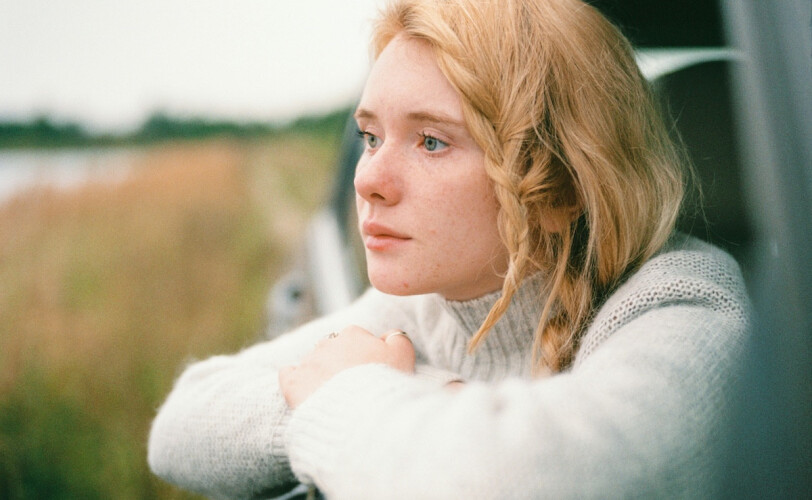
Whether you’ve lost someone close to you, experienced the end of a relationship, received a life-changing diagnosis, or are grieving the future you once imagined, loss can leave an imprint that reaches far beyond the event itself.
Although grief is something most of us will experience at some point in our lives, it can also be incredibly isolating. You may find yourself surrounded by people who care deeply about you, yet still feel completely alone in your experience. This is because grief is deeply personal and unique to you. There is no single way to grieve, and there is no timeline that tells us when we should feel better.
Grief is more than sadness
Many people associate grief with sadness, but in reality it can affect every part of who we are. Emotionally, you may experience waves of sadness, anger, guilt, anxiety, relief, numbness or even moments of joy that leave you questioning whether it’s acceptable to smile again.
Grief can also affect us physically. Changes in sleep, appetite, energy levels and concentration are all common. You may find yourself forgetting simple things, feeling emotionally exhausted or struggling to complete everyday tasks that once felt effortless
It is not unusual to feel as though you’re coping well one day, only to be overwhelmed the next by a memory, a familiar place, a song or an anniversary. Grief rarely moves in a straight line. Instead, it often comes and goes in waves, each one reminding us of the significance of what has been lost.
There is no right way to grieve
One of the greatest challenges many people face is the pressure, whether from society or themselves, to move on. We live in a world that often encourages us to return to normal as quickly as possible.
Friends and family usually can support in the early days following a loss, but as time passes, life naturally continues around us. For the person grieving, however, that loss doesn’t simply disappear because weeks or months have passed. The truth is grief isn’t something we get over. Instead, we gradually learn how to live alongside it.
The love we have for someone doesn’t end when they are no longer physically with us. Neither should we expect the impact of that relationship to simply disappear. Healing doesn’t mean forgetting. It means finding a way to carry both the love and the loss together.
When others don’t know what to say
Many people describe grief as being lonely, not because they are physically alone but because they feel misunderstood. People often want to help, yet they may worry about saying the wrong thing. Sometimes they avoid mentioning the person who has died, hoping to protect you from further pain.
Others may encourage you to focus on the positives or reassure you that time heals all wounds. While these responses are usually well-intentioned, they can sometimes leave us feeling as though our grief has become something that others are uncomfortable with.
Often what people need most isn’t advice or solutions. They simply need someone who is willing to sit with them, listen without judgement and allow them the space to feel whatever emotions are there for them in the moment.
Allowing yourself to grieve
Grief asks a great deal of us, and there is no perfect way to navigate it. Some people find comfort in talking openly, while others prefer writing, creating memory boxes, spending time in nature or finding quiet moments to reflect. There is no right or wrong approach if it helps you stay connected to what you have lost, while gently caring for yourself.
Nature can offer a gentle reminder that healing isn’t rushed. The seasons change in their own time, trees don’t bloom all year, and lakes are not always still. Some days grief may feel calm, while on others it may feel overwhelming. Both are a natural part of the journey. Above all, try to offer yourself the same compassion that you would so readily offer someone you love.
How counselling can help
Although grief is a natural response to loss, it doesn’t mean you have to carry it alone. Counselling offers a safe, confidential space where you don’t need to hide your emotions or worry about being a ‘burden’ to those around you. There is no expectation to move on or to grieve in a particular way. Instead, counselling provides the opportunity to explore your thoughts and feelings at a pace that feels right for you.
Grief often exists because love existed first. The depth of our grief often reflects the depth of the connection we shared. Although life may never look exactly as it once did, many people find that with time and compassionate support, moments of hope begin to sit alongside the sadness. Healing doesn’t mean leaving someone behind; it means allowing the memory to become part of the life you continue to live.
If you’re finding grief difficult to navigate, know that you do not have to face it alone. Sometimes the greatest comfort comes from not having the answers but from having someone willing to walk alongside you as you find your own.

Find the right counsellor or therapist for you
All therapists are verified professionals