Carrying the mental load: Why you feel overwhelmed and unseen

Many people come to therapy not because of a singular event that has happened, but because they feel quietly exhausted. They describe holding everything together, remembering what needs to be done, and noticing what others often overlook. They are often the planners, the organisers, or the emotional anchors. They are capable, caring, and reliable. Yet beneath the surface, they feel tired, unsupported, or sometimes painfully alone.
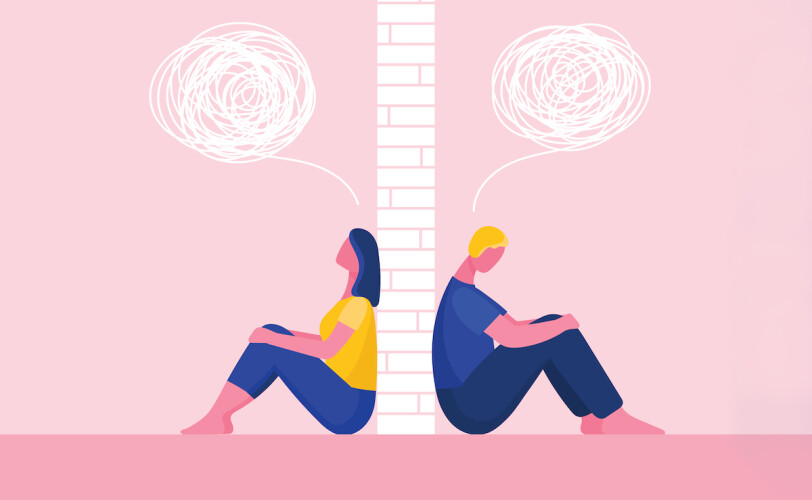
If this feels familiar, it may be because you are carrying the mental and emotional load in your relationship. This article gently explores what the mental load is, why it feels so heavy, and how therapy can help you find more balance and emotional support without feeling guilty for asking.
What is mental load?
Mental load is the ongoing, often invisible work of remembering, planning, organising, and anticipating the needs of the household or a relationship. It is the thinking work that happens in the background. It might look like:
- scheduling and remembering appointments
- organising childcare and being the first contact for nursery/school
- noticing when chores need doing
- organising family gifts for birthdays or Christmas
- anticipating what others might need before they ask
The difficulty is that the mental load is not something your partner or family can always see. They may notice the tasks being done, but they do not see the internal work that happens before you even begin. When the work is invisible, it can go unappreciated.
Over time, this can lead to resentment, exhaustion, and loneliness, even when you care deeply for the people around you.
Why it feels like you carry more than your partner
People who carry the mental load are often highly attuned to the needs of others. This sensitivity is a strength, but it is also something that can become overwhelming if it is not met with support.
There are many reasons you might find yourself holding more than your partner, including:
You have always been the responsible one
Perhaps you were the child who organised things, soothed others, or made sure everything ran smoothly. You may have been described as "easy going", "no fuss" and "gets on independently". This pattern can easily follow you into adulthood.
Others assume you have it under control
Because you do things well, people may not realise you need help. You appear calm and capable on the outside, even when you feel stretched thin inside.
Asking for help feels uncomfortable
You may fear conflict, rejection, or being seen as needy. You might tell yourself others have enough going on, so you should cope quietly.
Over-functioning has become second nature
When you step in first, others step back. You become the default leader or decision maker, even if it was never your intention.
These patterns are not your fault. They are often unconscious, and they can be gently explored and shifted in therapy.
The emotional impact of carrying the load
Carrying the mental and emotional load can affect you in ways that go far beyond feeling busy. It can create:
- a sense of being unseen or taken for granted
- frustration that turns into quiet resentment
- difficulty resting or switching off
- guilt when you even think about asking for help
- a sense of emotional loneliness within your relationship
Many people describe feeling like they have become the caretaker rather than an equal partner. They are the ones who ask how everyone else is feeling, but no one asks them. This emotional imbalance can be painful, and it can even begin to affect self-worth and connection.
What about your needs?
One of the hardest parts of carrying the mental load is that your own needs often get pushed aside. You may not even know what your needs are anymore because you have spent so long prioritising others. Many people struggling with this can describe what they don't want, but find it tricky to put into words what they do want.
You might think:
- “They are more stressed than me, I should not add to it”
- “I do not want to cause conflict”
- "I should be able to cope”
But you are not meant to cope alone. You are allowed to want emotional support, shared responsibility, and a sense of partnership. You are allowed to rest. You are allowed to ask for help. You are allowed to be seen. Your needs matter as much as anyone else’s.
How therapy can help
Therapy offers a supportive space to explore these patterns without judgment. Here are some things that you may explore with your therapist:
What you are truly carrying
Both the visible tasks and the invisible thinking work so that you can see how the household balance looks and feels for you.
The beliefs that make it hard to ask for support
This might include guilt, fear of being too much, or anxiety about conflict.
Your needs and how to express them
After a long time hiding your needs, you may no longer recognise them. Therapy can help you reconnect with yourself, put the support you need into words and give you the confidence to communicate them.
New relational patterns
You can learn how to communicate clearly, share the load, and create healthier boundaries without feeling harsh or demanding.
What balance looks like for you
It's important to note that relationship balance doesn't mean rigid equality. Our capacities are constantly changing, and our relationship needs to support the eb and flow of this for ourselves and our partners. The importance is feeling balanced and satisfied day-to-day and adjusting when things feel too much/too little.
You do not have to carry everything alone
If you see yourself in this, please know that nothing is wrong with you. You are not too needy. You are not asking for too much. You are someone who has been carrying a lot for a long time.
Therapy can help you feel supported instead of solely responsible. And most importantly, it can help you build relationships where you feel valued, understood, and emotionally held.

Find the right counsellor or therapist for you
All therapists are verified professionals