A trauma-informed approach to understanding anxiety

When people reach out for counselling, they often describe their difficulties in terms of symptoms. Anxiety that will not settle. A constant sense of being on edge. Panic attacks that appear without warning. Racing thoughts late at night. The body never quite relaxing.
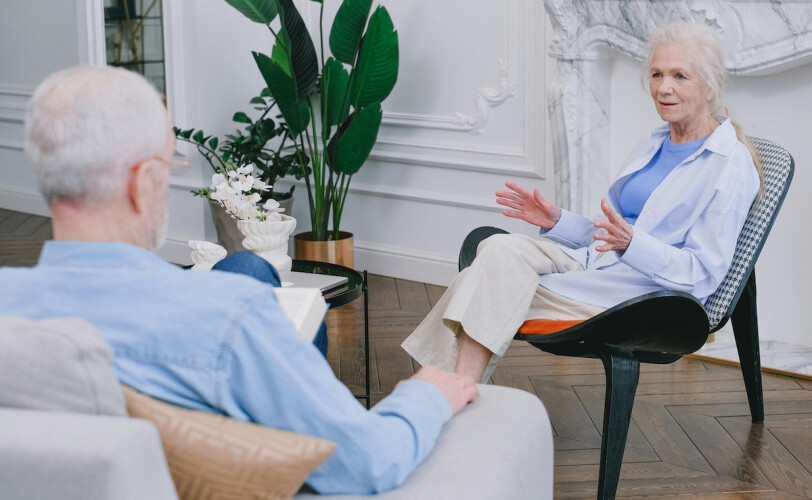
It is natural to focus on symptoms because they are what disrupt everyday life. Anxiety interferes with sleep, concentration, relationships and confidence. It can make ordinary situations feel overwhelming and unpredictable.
However, beneath those symptoms, there is often a deeper story. Experiences that shaped the nervous system. Messages absorbed about safety, worth and belonging. Relationships that left emotional marks, even if they were never described as traumatic at the time.
A trauma-informed approach to therapy begins with this understanding. Instead of asking only “What is wrong with you?” it asks a different question: “What happened to you, and how did you adapt in order to cope?”
This shift in perspective can be subtle but powerful. It allows anxiety to be understood not simply as a disorder, but as a response that once served a purpose.
Anxiety as a protective response
From a trauma-informed perspective, anxiety is often connected to the body’s natural threat detection system. The nervous system is designed to scan the environment for danger and prepare the body to respond quickly when something feels unsafe.
When a person experiences ongoing stress or distressing situations, this system can become highly sensitised. The body learns to remain alert because being alert once helped the person cope.
Over time, this heightened vigilance can continue even when the original threat has passed. The nervous system reacts strongly to situations that resemble earlier experiences of distress. This might include conflict, criticism, uncertainty or feeling judged by others.
As a result, the person may experience anxiety in situations that appear safe to others but feel deeply threatening internally.
In this way, anxiety is not simply a malfunction. It can be understood as a protective system that has become overactive after learning that the world can be unpredictable or unsafe.
How earlier experiences shape the nervous system
Trauma-informed therapy recognises that anxiety does not always originate from a single dramatic event. While trauma can certainly involve experiences such as accidents, violence or abuse, it can also develop through repeated relational stress.
Growing up in an environment where emotions were dismissed or criticised can shape how safe it feels to express vulnerability. Living with unpredictable caregiving or ongoing tension in the home can teach the nervous system to remain constantly alert. Experiences of bullying, rejection or chronic criticism can also influence how individuals perceive threat and safety.
These experiences are not always recognised as trauma at the time. Many people grow up assuming that their environment was simply “normal.” Yet the nervous system records patterns of safety and danger regardless of whether those experiences were acknowledged.
When someone later develops anxiety, it may reflect the way their body adapted to those earlier environments.
The role of safety in trauma-informed therapy
One of the central principles of trauma-informed therapy is safety. This includes not only physical safety but also psychological safety.
For individuals whose anxiety developed in response to past stress or relational harm, feeling safe enough to explore those experiences is essential. Therapy becomes a space where emotions can be approached gradually and at a manageable pace.
Rather than pushing clients to disclose painful experiences immediately, trauma-informed therapists work carefully with the nervous system. The aim is to create an environment where the person can begin to feel steady enough to explore what lies beneath their anxiety.
This emphasis on safety helps reduce the risk of overwhelm and allows healing to occur in a sustainable way.
Understanding triggers and emotional memory
Many people with anxiety notice that their reactions sometimes feel disproportionate to the situation they are in. A small disagreement might trigger intense fear. A critical comment might create lingering distress. Being in a crowded place may suddenly produce panic.
Trauma-informed therapy helps people understand that these responses often involve emotional memory. The nervous system reacts not only to the present moment but also to earlier experiences that felt similar.
For example, someone who grew up in a household where conflict escalated quickly may feel intense anxiety during even minor disagreements in adulthood. The body remembers the earlier environment and reacts as though the same danger may occur again.
Through therapy, individuals can begin to recognise these triggers and understand where their reactions may originate. This awareness often reduces the sense of confusion or self-criticism that accompanies anxiety.
Learning to regulate the nervous system
A trauma-informed approach also focuses on helping individuals develop skills to regulate their nervous system.
When anxiety has been present for a long time, the body may struggle to return to a calm baseline. Techniques such as grounding exercises, breathing practices and body awareness can help restore a sense of balance.
These practices are not about suppressing anxiety but about helping the body experience safety again. Over time, the nervous system can learn that it no longer needs to remain in a constant state of alertness.
As regulation improves, many people notice that anxious reactions become less intense and easier to manage.
Reframing self-criticism and shame
Anxiety often brings strong self-criticism. Individuals may feel frustrated with themselves for reacting strongly or for struggling in situations that appear manageable for others.
Trauma-informed therapy helps shift this perspective. Instead of viewing anxiety as a personal failure, it is reframed as a survival strategy that developed under difficult circumstances.
This shift can be deeply validating. When people understand that their reactions once served a protective purpose, self-blame often softens.
Developing compassion for the ways the mind and body adapted to earlier experiences can become an important part of the healing process.
Gradual change rather than sudden breakthroughs
Healing from anxiety through a trauma-informed approach rarely happens overnight. More often, people describe a gradual shift.
The intensity of anxious feelings begins to reduce. The body finds it easier to settle after stress. Sleep may improve. Situations that once felt overwhelming start to feel more manageable.
Importantly, individuals often notice more space between a feeling and their response to it. That space allows them to pause, reflect and choose how they want to respond. This gradual increase in choice is one of the key markers of progress in therapy.
Moving forward with greater understanding
Trauma-informed therapy does not focus on blaming the past or remaining stuck in it. Instead, it aims to understand how earlier experiences shaped the present so that those patterns no longer operate automatically.
When people begin to recognise why their anxiety developed, they often feel less overwhelmed by it. What once felt mysterious or uncontrollable starts to make sense.
From there, therapy can support individuals in building new experiences of safety, connection and self-trust.
A different way of understanding anxiety
For many people, approaching anxiety through a trauma-informed lens can feel profoundly validating. Rather than being reduced to a diagnosis, their experiences are understood within the context of their life story.
Symptoms that once felt confusing or shameful begin to make sense as adaptations to difficult circumstances. Seeking therapy from this perspective is not about uncovering something dramatic if it is not there. It is about exploring how your experiences have shaped the way your nervous system responds to the world.
When those patterns are understood and supported with care, anxiety often begins to soften. The nervous system learns that it is possible to feel safe again. And with time, patience and the right support, many people discover that life can feel steadier, calmer and more connected than it once did.

Find the right counsellor or therapist for you
All therapists are verified professionals