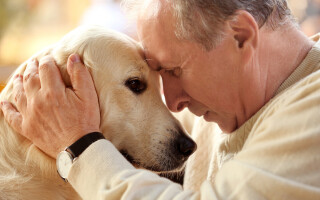
Understanding pet grief
Grief after losing a pet can affect us emotionally, mentally, and physically. While everyone’s experience with loss is different, it is common to feel sad, lonely, angry, guilty, or to have a sense of disbelief. You might find it difficult to concentrate, notice changes in your appetite or sleep, or feel overwhelmed by the absence of your pet.
There is no right or wrong way to grieve. Some people find comfort in talking about their pet. Others prefer to process their feelings privately. Pet grief can differ in intensity and length. This depends on your bond with your pet, how they passed away, and the support you have.
Why can losing a pet feel so overwhelming?
Our pets are our companions, our best friends, and for many, our family. They are often an important part of our daily routines, offering affection, companionship, and a sense of connection. When a pet dies, we’re not only grieving their loss, but the loss of that comfort and companionship they brought into our lives.
Research suggests that many of us feel that pet grief is not always recognised or understood by others, with only one in 10 feeling it is taken as seriously as it should be, according to the RSPCA. This can leave us feeling isolated in our grief, as the loss of a pet can be deeply meaningful and painful.
The circumstances surrounding your pet’s death can also affect how you grieve. You may be coping with a sudden or unexpected loss, uncertainty about what happened to your pet, or difficult feelings about decisions made towards the end of their life. For many of us, grief can even begin before a pet has died.
What is anticipatory grief?
When you know a loss is coming, such as when a pet is getting older or living with an illness, you may begin to experience feelings of sadness, worry or grief before your pet has died. This is known as anticipatory grief. According to the RSPCA, around 75% of us experience anticipatory grief.
Anticipatory grief is a natural response to knowing that your time with your pet may be limited. You may find yourself worrying about the future, imagining life without them, or struggling with difficult decisions about their care. If you think you may be experiencing anticipatory grief, it can help to focus on the time you have together now. Keeping familiar routines, sharing moments of affection, and continuing activities you both enjoy may help you feel more grounded and connected.
If you are preparing to say goodbye to a pet, the RSPCA has a guide on saying goodbye to your pet and looking after your own well-being during this difficult time.
How to cope with the grief of losing a pet
Losing a pet can leave a gap in your life, particularly if they were a constant source of companionship and comfort. Grief can take time, and there is no set timeline for healing. Grief may not disappear completely. However, many people find that, with time, they can learn to carry their loss in a way that feels more manageable.
Everyone grieves differently. You may find it helpful to:
- keep up familiar routines where possible
- make time for small moments of self-care each day
- use grounding techniques to help you feel more present in the moment
- balance time spent remembering your pet with activities that help you to rest and connect with others
- create a memory box or write in a journal to help process how you are feeling
Try to be patient with yourself. Grief isn’t something to overcome or leave behind. Over time, the pain of losing a pet may soften, and you may find yourself able to enjoy life again without feeling guilty. It doesn’t mean that you have forgotten them. You may find that, over time, you are able to carry your loss alongside the memories and bond you shared.
Supporting children through pet loss
Children may experience pet bereavement differently from adults. They may not have the words to express how they are feeling. Simple, honest explanations can help. Give them the chance to talk about how they are feeling. This can help them make sense of what has happened.
It can also be helpful for children to take part in remembering a pet. This may be through sharing memories, drawing pictures, creating a memory box, or taking part in a meaningful way of saying goodbye. The Blue Cross shares tips on how to support a child through pet loss and bereavement.
When grief feels overwhelming
Grief after losing a pet can be intense, and there may be times when it feels difficult to cope. Additional support may help if your feelings are affecting your daily life, causing persistent anxiety or low mood, leading to intense feelings of guilt, or leaving you feeling stuck in your grief.
Reaching out for support can help you feel less alone. Some people find comfort in talking to friends and family, while others prefer specialist pet bereavement support or counselling.
If you are looking for more resources and information on coping with the grief of losing a pet, the RSPCA has created a pet bereavement toolkit. Blue Cross provides a free, confidential pet loss support service.
Remember your expression of grief following pet bereavement will be as unique as you are.
- Psychotherapist & Counsellor Katy Acton, MBACP, shares 3 ways to navigate pet bereavement
Pet bereavement counselling
Losing a pet can affect every part of our lives, from our daily routines to our emotional well-being. While friends and family can be a valuable source of support, they may not always understand the depth of your grief.
Pet bereavement counselling offers a safe, non-judgemental space to explore your thoughts and feelings with a trained professional. A counsellor can help you process difficult emotions, work through feelings of guilt or regret, and make sense of the changes that come with losing a pet.
Counselling may be particularly helpful if you are experiencing:
- intense grief that feels difficult to manage
- anticipatory grief before the loss of a pet
- feelings of guilt around end-of-life decisions
- loneliness or isolation following a loss
- anxiety, low mood, or difficulty adjusting to life without your pet
Everyone's experience of pet bereavement is different, and there is no expectation to 'move on' within a certain timeframe. Counselling can provide support at any stage of the grieving process, whether your loss is recent or happened some time ago.
Frequently asked questions about pet bereavement
Is it normal to feel this upset after losing a pet?
Yes. Losing a pet can feel overwhelming, and many factors can affect how intensely we grieve, including the bond we shared, anticipatory grief, feelings of guilt, and whether we feel supported by those around us.
Can getting a new pet help with grief?
Some people find that welcoming another pet into their lives helps them move forward after a loss. Others prefer to wait until they have had more time to grieve. There is no right or wrong timeline. The decision depends on your circumstances and how ready you feel.
Can I get bereavement leave after losing a pet?
Legally, there is no statutory bereavement leave for a pet in the UK. However, some employers may offer discretionary compassionate leave or allow you to take annual leave or sick leave to help you process your grief. Check your employee handbook, speak with HR or talk to your line manager to find out what support may be available.
Finding a counsellor for pet grief support
When searching for a counsellor, you may wish to consider their experience of grief and bereavement, their therapeutic approach, and whether they have previously supported clients experiencing pet loss. Many counsellors offer an initial consultation, giving you the opportunity to ask questions and decide whether they feel like the right fit. You may also wish to look for a counsellor with experience of grief, bereavement or pet loss, depending on the support you are seeking.
Remember, there is no right time to seek support. Whether your loss is recent, you are experiencing anticipatory grief, or you are struggling with a pet loss that happened some time ago, counselling can provide a space to explore your feelings at your own pace.
Use our search tool to find a counsellor who can support you with pet grief, bereavement and loss, or click the links below to find a counsellor near you.