

Why new mums don’t always feel happy and why that’s OK

Becoming a mother is often portrayed as one of the happiest and most fulfilling experiences in life. Across films, television, and social media, we are frequently shown images of glowing parents, peaceful babies, and an immediate sense of joy and connection. While these experiences certainly exist, the emotional reality of early motherhood is often far more nuanced, complex, and emotionally demanding than many women expect.
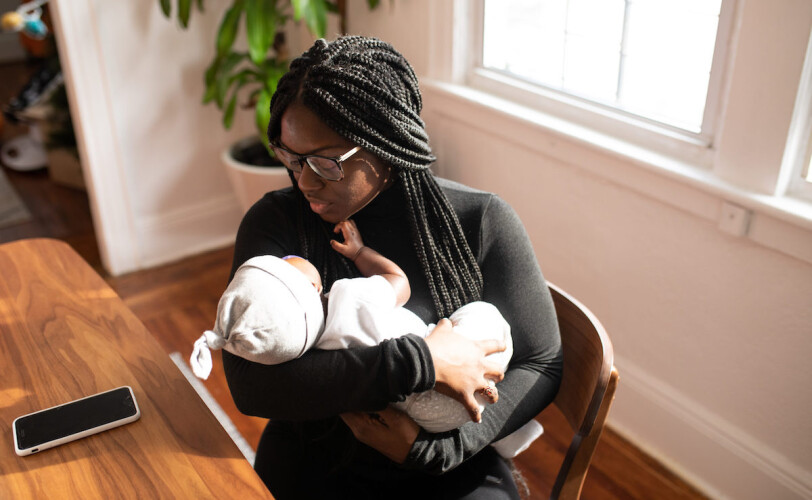
For many new mothers, feelings of happiness may sit alongside exhaustion, anxiety, uncertainty, grief for their previous life, or even emotional numbness. If you are a new mum and you do not feel “happy” all the time, you are not alone, and there is absolutely nothing wrong with you. Your experience is valid, and many women quietly struggle with similar emotions during the transition into motherhood.
In my practice as a counsellor specialising in therapy for new mums and women, I am increasingly seeing more and more new mums presenting with difficulties adjusting to motherhood due to added pressures from social media comparisons, societal judgements and the unrealistic expectations to "just get on with things" or "power through".
The gap between expectation and reality
Society often places significant pressure on women to experience motherhood as instinctive, joyful, and deeply rewarding from the very beginning. When reality does not match these expectations, it can lead to feelings of guilt, shame, confusion, or the belief that you are somehow failing.
In reality, becoming a mother represents a profound life transition. Physically, emotionally, psychologically, and socially, almost every aspect of life can change at once. Alongside recovering from birth and caring for a newborn, many mothers are also navigating hormonal changes, sleep deprivation, identity shifts, changes within relationships, limited support systems, or difficult and traumatic birth experiences. It is completely understandable that this adjustment can feel overwhelming at times.
It is important to remember that struggling emotionally does not make you a bad mother. Often, it simply reflects the enormous adjustment taking place beneath the surface.
Understanding emotional changes after birth
In the days and weeks following birth, many women experience what is commonly referred to as the “baby blues.”
These emotional changes can include:
- tearfulness
- irritability
- feeling emotionally overwhelmed
- sudden mood swings
- increased sensitivity or anxiety
These experiences are extremely common and are usually temporary, often easing within the first couple of weeks after birth. During this period, gentle support, reassurance, rest where possible, and opportunities to talk openly can make a significant difference.
If these feelings begin to feel too heavy or difficult to manage alone, reaching out to loved ones, a therapist, health visitor, or GP can be incredibly supportive. You do not have to push through everything by yourself.
When it feels like more than a low mood
For some mothers, emotional difficulties do not ease with time, or they may become more intense. In these cases, it may indicate postnatal depression, which can affect women in many different ways.
Symptoms may include:
- persistent sadness or emotional numbness
- difficulty bonding with your baby
- feeling detached from yourself or others
- loss of interest in things you previously enjoyed
- feelings of guilt, shame, or worthlessness
- intrusive or distressing thoughts
- heightened anxiety or panic
These experiences can feel deeply isolating, particularly when those around you expect you to feel grateful, fulfilled, or over the moon. However, it is important to know that postpartum depression is not a personal failure, and support is available. Many women recover fully with the right help, support, and understanding.
Why talking therapy can help
One of the most valuable aspects of therapy for new mothers is having a dedicated, compassionate space that is entirely yours.
Therapy can offer an opportunity to:
- speak openly and honestly without fear of judgement
- process overwhelming emotions and experiences
- explore the gap between expectations and reality
- develop coping strategies for anxiety, low mood, or intrusive thoughts
- reconnect with your sense of self during a major life transition
Importantly, you do not need to wait until things feel serious enough before seeking support. Therapy can be beneficial whether you are experiencing significant distress or simply noticing that you do not quite feel like yourself.
Sometimes, being heard, understood, and supported can make an enormous difference. It is important for mums to have a safe space to explore what’s going on for them, no matter how that looks. No judgement, no advice, just a welcoming, warm space to know that you are not alone.
You are not failing, you are adjusting
Motherhood is not solely about caring for a baby; it is also about adjusting to an entirely new identity, responsibility, and way of life. This transition can be beautiful, meaningful, exhausting, and emotionally challenging all at the same time.
Feeling uncertain, emotional, disconnected, or overwhelmed at times does not mean you are failing. It means you are human, responding to one of the most significant changes a person can experience. There is no perfect way to feel after becoming a mother, no matter what society or social media says.
Reaching out is a strength
Many mothers hesitate to seek help because they believe they should be coping better or managing everything independently. In reality, asking for support is a sign of self-awareness and strength, not weakness.
Whether support comes from a therapist, GP, partner, friend, family member, or support group, you deserve care and compassion too. You matter just as much as your baby does, and you do not have to navigate this season of life alone.

Find the right counsellor or therapist for you
All therapists are verified professionals


