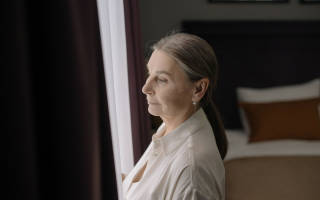
When menopause meets ADHD

You’re not imagining it, things really can feel harder... If you’re living with ADHD and going through perimenopause or menopause, you might have noticed your symptoms shifting sometimes in ways that feel confusing, frustrating, or even worrying.

Research shows that the hormonal changes of menopause don’t just affect the body, they also affect the brain. Oestrogen, which fluctuates and then declines during this stage of life, plays an important role in supporting brain chemicals linked to focus, memory, and mood. When oestrogen levels change, it can temporarily make ADHD symptoms more noticeable.
Knowing what’s happening can be a huge relief. You’re not “losing your abilities”; your brain is responding to a real biological transition. And the good news is, there are ways to adapt, feel more in control, and get the right support.
So what can it look like when ADHD and menopause show up together?
People often describe new or increased difficulties, such as:
- Brain fog – forgetting words, losing track mid-sentence, or misplacing things.
- Focus challenges – finding it harder to start tasks, stay on track, or switch between activities.
- Mood changes – feeling more irritable, anxious, or flat than usual.
- Sleep problems – waking in the night, struggling to fall back asleep, or feeling exhausted in the morning.
- Masking fatigue – if you’ve worked hard for years to “cover up” your ADHD symptoms, that effort may feel harder to sustain.
These changes can be inconsistent; some days may feel completely fine, whilst others are a struggle. This “up and down” pattern is often linked to fluctuating hormone levels during perimenopause.
Why do these changes happen?
- Oestrogen and the brain: Oestrogen helps regulate dopamine and serotonin, which support attention, memory, and emotional balance. As oestrogen levels drop, these systems can be less efficient, and if you already have ADHD, that can magnify existing challenges.
- Sleep as a domino effect: Hot flushes, night sweats, or insomnia can disrupt sleep, and poor sleep often makes ADHD symptoms worse.
- Hormonal variability: In perimenopause, oestrogen doesn’t just decline, it fluctuates. This can make your symptoms vary week to week or even day to day.
How therapy can help you navigate this stage
Therapy isn’t about “fixing” you, it’s about giving you tools, understanding, and space to adapt to what’s happening in your mind and body.
Here’s an idea of how it can help:
1. Understanding and validation
Learning how ADHD and menopause interact can take away a lot of self-blame. A therapist can help you connect the dots and see that these changes are not about laziness or lack of willpower.
2. Practical strategies for focus and organisation
Small adjustments can make a big difference. Therapy can help with things like breaking tasks into smaller steps, creating visual reminders, using time-blocking, or setting up your environment to reduce distractions.
3. Support for mood and emotional balance
Therapists can share tools for managing anxiety, irritability, or overwhelm. This could be calming breathing techniques to values-based decision-making that helps you prioritise what truly matters.
4. Sleep support
Addressing sleep problems can improve both mood and attention. Therapists can guide you through evidence-based approaches like CBT for insomnia, which helps many people get better rest.
5. Planning with hormonal patterns in mind
If you notice certain weeks are harder, therapy can help you “tier” your workload, protect recovery time, and front-load important tasks on clearer days.
6. Working alongside medical care
Therapists can’t prescribe medication, but they can help you track your symptoms to share with your GP or menopause specialist. This can support conversations about options like HRT, ADHD medication adjustments, or other medical treatments.
A few ideas to get started
When you first come to therapy, it can help to bring:
- A brief daily record of your sleep, symptoms, mood, and attention over the past few weeks.
- A list of the biggest challenges you’d like to work on.
- Notes for your GP or specialist, such as questions about HRT or ADHD medication review.
If you’re experiencing ADHD and menopause together, you are not alone, and you are not imagining the changes. This is a real, biologically driven shift that can feel destabilising, but it’s also a chapter where support, self-understanding, and practical tools can make a big difference. With the right combination of therapy, lifestyle adjustments, and (where appropriate) medical support, it’s possible to regain focus, improve mood, and feel more like yourself again.

Find the right counsellor or therapist for you
All therapists are verified professionals