

Recreational drugs and therapy

People in the UK and all over the world use, or have used, recreational drugs.
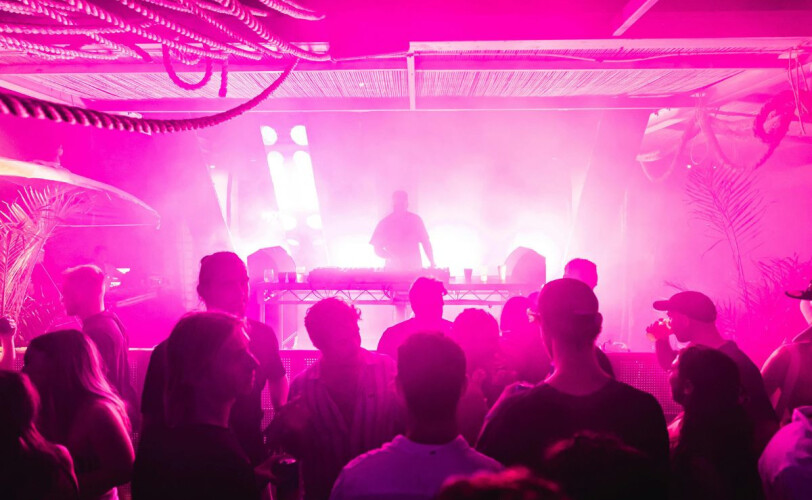
Recreational drugs have been around for a very long time. LSD and magic mushrooms are often associated with the psychedelic era of the 1960s. Cocaine's popularity soared in the 1970s and 1980s. Ecstasy and MDMA became prominent in the 1990s.
Today, we’re living in a time where there is a plethora of party drugs, and ketamine appears to be having its moment in the spotlight among young people. Alcohol, meanwhile, seems to have been with us all the way, passed down from generation to generation.
What is a recreational drug?
A recreational drug is a substance taken for enjoyment, leisure, or social purposes rather than for medical reasons. People use recreational drugs to alter their mood, perception, or consciousness, often seeking effects like euphoria, relaxation, stimulation, or altered sensory experiences.
Common types of recreational drugs include:
- Stimulants (e.g. cocaine, amphetamines, MDMA): Increase alertness, energy, and feelings of pleasure.
- Depressants (e.g. alcohol, benzodiazepines): Slow down brain activity, leading to relaxation or sedation.
- Opioids (e.g. heroin, prescription painkillers): Produce intense euphoria and pain relief.
- Psychedelics (e.g. LSD, psilocybin mushrooms): Alter perception, thoughts, and feelings.
- Cannabis: Often used for its relaxing and mildly hallucinogenic effects.
- Dissociatives (e.g. ketamine, nitrous oxide): Cause detachment, disconnection, and out-of-body experiences.
Why do people use recreational drugs?
Despite many recreational drugs being illegal, people use them for a variety of reasons. Some enjoy the alteration in mood and sensory experience. Substances can help people relax after a long day, and they’re often used socially — 'everyone’s' using them, and it becomes part of the event.
Drug use is especially common among younger generations. Exploring substances can sometimes be a rite of passage — like your first pint at the pub, your first line of cocaine, or your first ecstasy pill at a university party. Due to their legal status, there’s potential for serious consequences if caught. So, while drug use is widespread and openly discussed in some spaces, it’s also shrouded in secrecy, leading to misunderstanding — particularly around who uses drugs, why they use them, and the risks involved. Ironically, this secrecy and taboo can make drug use more appealing due to its “naughty” or novel status.
Sometimes, recreational drugs offer users something that is temporarily or permanently lacking. Alcohol can help us feel less inhibited and more relaxed. MDMA can make us feel connected and loving. Magic mushrooms can evoke awe and offer a break from habitual patterns of thinking.
Drug use can become deeply meaningful for some. In some cases, people say it helps them let off steam, form new connections, and strengthen existing bonds. People may learn more about themselves and others, and find respite from the repetitive, mundane demands of everyday life. Some users have reported that cannabis helps with focus and pain management, while others describe experiences with magic mushrooms or LSD as profoundly insightful — leading to personal growth and improved mental health.
When does recreational use become problematic?
Although many people use drugs infrequently and recreationally, some begin to lean on substances, developing unhealthy relationships — ranging from mild dependence to addictive behaviours. Drug use can also lead to traumatic experiences. A psychedelic trip might become overwhelming and frightening. Emotions under the influence of alcohol may become unmanageable.
People under the influence are also more vulnerable to physical and sexual assault. Drug use can also lead to serious physical and mental health problems, including anxiety, depression, psychosis, and long-term damage to organs and cognitive function.
You might find yourself needing a certain drug for a specific activity — to calm nerves, engage in sex, or get through housework and admin. Relationships and friendships can come under strain.
The reasons, highs, lows, and risks of recreational drug use are as diverse and varied as we are.
Why can therapy help with recreational drug use?
Despite its long history and frequent media portrayal, drug use is often misunderstood and heavily judged. When people talk about drug use, others may make assumptions, jump to conclusions, or pass judgment. A therapist’s role is to understand your personal experience — without judgment — and explore all parts of you, including your relationship with recreational drugs.
Therapy offers a safe, non-judgmental space to explore your experiences and curiosities at your own pace. You might ask yourself:
- Why do I use recreational drugs?
- How risky is what I’m doing?
- When did it all start?
- Do I want it to change?
- Do I want to be safer?
You might wonder:
- Why do I always end up doing a line of coke after a couple of beers?
- Why do I take MDMA regularly even though I feel so low afterwards?
- What am I using ketamine for? What is it giving me a break from?
That LSD trip at the festival might have been really frightening. You may still carry it with you and need a space to unpack what you saw, how you felt then, and how you feel now.
You may also have friends or family members who use recreational drugs and need a place to work through your own feelings and concerns about this.
Drugs, despite the law, have been with us from generation to generation. Many believe — myself included — that drugs are not going anywhere, whether we think they are right or wrong. Therapy can offer you a space to get curious about recreational drug use, to understand how it functions, and weigh up the good and the bad.
Therapy often helps us learn more about ourselves with support. And the more we learn about ourselves, the healthier we can stay — and the safer we will be.

Find the right counsellor or therapist for you
All therapists are verified professionals


