

Race, identity and gender with anxiety

We must never underestimate the power of the identities that we have been brought up with, or those that we have chosen to adopt. As a therapist working on supporting clients with anxiety challenges, this also means working through and acknowledging the identities that clients may have been brought up with and who may have chosen to reject them later in their lives.
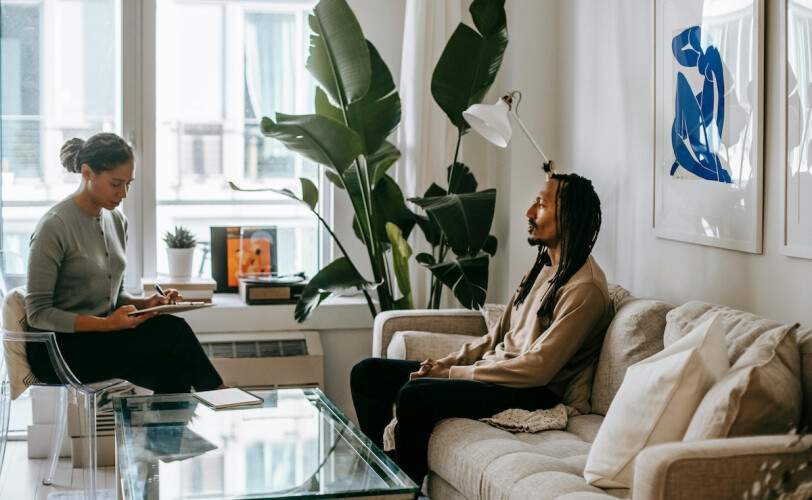
I bring up the latter since I also work with people who have chosen to wholly reject the religious faith in which they were brought up in. That background, for some of them, has also been another layer of complexity and trauma that has added to their anxiety conditions. This becomes more acutely in focus if the faith community shuns or demonstrates emotional and practical inflexibility to the individual who chooses to leave that faith.
We live in a world where social media can assault our sense of who we are, by simply looking at a social media app and coming across toxic, hateful posts. There is no doubt that prejudice and hate has increased on some social media platforms and the daily residual effects of such postings remain with individuals once they are off their phones, as they come up through repeated ruminations that can lower self-esteem and worth, or through feeling ‘unsafe’ as their ‘fight, flight or freeze’ responses are triggered.
The latter – feeling unsafe – is a sad part of the history of black and Asian communities who have now settled in the U.K. This legacy continues in some, as migration has left a traumatised history of searching for a sense of home and rootedness. I know, since as someone who was born in Uganda and whose family was ejected by Idi Amin, that legacy of feeling displaced and unconnected to a space and place has stayed with me, though I have reconciled most of those feelings and perceptions over three decades of self-reflection and reconnection work here in the U.K.
Which is why we as therapists must always work with the identities that clients present to us. This work, I believe, is an essential part of the therapeutic journey, particularly and acutely when working with clients from diverse communities who have medium and long-term anxiety conditions. My experience of working with such clients is that race, gender and sexuality, as well as feelings of lack of rootedness, belonging and fear, all merge at some point into their anxiety conditions.
I must also acknowledge that this is one layer of the range of issues that ultimately come together to manifest anxiety conditions, such as social agoraphobia or panic attacks. However, it is one of a number of core issues that may make clients feel ‘less than’ or ‘inferior to’ or ‘less worthy than’ or even ‘less capable than’ others. This, for some, translates into being unable to cope and merges with and reinforces underlying core beliefs that follow these patterns.
Then there is the issue of young people who may have come to the U.K. to study and who have been born in countries outside of the UK. In countries where identifying as LGBTQ can lead to continued bullying, harassment and even violence, the impacts of isolation, shame and rejection can all amplify and harden feelings of anxiety in clients. Working to highlight these feelings and these realities, whilst acknowledging that clients have gone through, survived and even thrived in spite of the difficulties, must be part of the therapeutic journey.
Leaving the client with the over-arching belief that they have coped before, and that they have survived and even in some instances, thrived, is essential in working with anxiety conditions. This should be allied with a sense that the client should ideally face and go through their fears, without necessarily employing coping strategies that can slow the healing process down; that they are able to and that in doing so, it meets whatever their life aims and goals are.
More than ever, this work around exploring and working with race, sexuality, identity and gender is important through the prism of getting clients through their relationship with anxiety. Its importance is even more acute, now that social media agencies and standards have dropped and where anything goes on some platforms.

Find the right counsellor or therapist for you
All therapists are verified professionals


