Menopause: breaking the silence across communities

Menopause is something many women will experience, yet no two journeys are ever quite the same. While it is often described in medical terms, menopause is not just a physical transition – it is deeply emotional, personal, and shaped by the cultural worlds we live in.
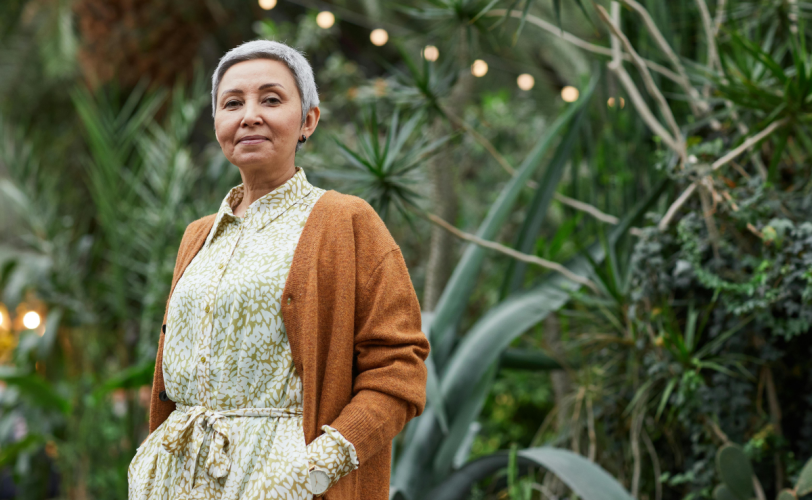
For women from ethnic communities, this experience can carry additional layers of meaning. Culture, family expectations, and community beliefs can all influence how menopause is understood, expressed, and supported. Bringing warmth and openness to this conversation can help create space for women to feel seen, heard, and supported.
More than physical symptoms
Hot flushes, sleep difficulties, joint pain, headaches, and changes in energy are often the most recognised aspects of menopause. But many women also notice emotional shifts that can feel harder to explain or share.
These may include:
- feeling more anxious or overwhelmed
- low mood or loss of confidence
- irritability or emotional sensitivity
- a sense of change in identity or purpose
- difficulty concentrating or “brain fog”
For some, these feelings can come as a surprise, especially if they’ve never struggled with their mental health before.
The influence of culture and community
In many ethnic communities, menopause is not widely spoken about. Conversations around women’s health, ageing, or the body may be considered private or even taboo. As a result, women may find themselves navigating this transition quietly, without the language or support to fully understand what is happening.
This silence can sometimes lead to:
- feeling alone or unsure if what they are experiencing is “normal”
- minimising their own struggles
- hesitating to seek support outside the family or community
At the same time, cultural perspectives can also offer strength. In some communities, menopause is seen as a transition into a stage of wisdom, respect, or freedom from earlier responsibilities. These beliefs can provide comfort and a sense of meaning, though they do not always remove the emotional challenges that can arise.
Holding multiple roles
Many women experiencing menopause are also supporting others – caring for children, ageing parents, or extended family. In some cultures, these responsibilities are particularly strong, and women may feel expected to remain resilient and selfless, even when they are struggling.
Balancing these roles while managing physical and emotional changes can feel exhausting. Without space to rest or reflect, feelings of stress and overwhelm can build quietly over time.
Barriers to being heard
For women from ethnic minority backgrounds, reaching out for support is not always straightforward. Language differences, cultural misunderstandings, or stigma around mental health can make it harder to access the help they need.
Some women may worry about being judged, misunderstood, or not taken seriously. Others may not realise that what they are feeling is connected to menopause at all. This is where compassionate, culturally aware support becomes so important.
The role of counselling
Counselling offers a space where women can gently explore their experience, at their own pace, without fear of judgment. It is not about labelling or pathologising menopause, but about making sense of what is happening, emotionally as well as physically.
A supportive counsellor can help you to:
- talk openly about feelings that may be difficult to share elsewhere
- understand how cultural expectations may be shaping your experience
- rebuild confidence and reconnect with your sense of self
- develop coping strategies for anxiety, low mood, or sleep difficulties
- create space for your own needs, alongside caring for others
Feeling understood, both as an individual and within your cultural context, can be deeply reassuring.
Creating more open conversations
One of the most powerful ways to support women through menopause is simply to talk about it. When conversations become more open, within families, communities, and services, it becomes easier for women to seek support without shame or hesitation.
This might begin with small steps:
- sharing experiences with trusted friends or family
- encouraging intergenerational conversations
- accessing information that reflects diverse cultural perspectives
- seeking support from professionals who value cultural sensitivity
Menopause is not something you have to endure in silence. Whatever your background or experience, your feelings are valid, and support is available.
For some women, this stage can also become a time of quiet reflection and change, a chance to reconnect with themselves, to reassess priorities, and to move forward with greater self-understanding.
With the right support, menopause can be approached not just as an ending, but as a meaningful transition, one that deserves care, compassion, and conversation.

Find the right counsellor or therapist for you
All therapists are verified professionals