

Living with PCOS: Understanding the emotional impact

Polycystic Ovary Syndrome (PCOS) is thought to affect around one in ten women in the UK, though the true number may be higher, as some women have mild symptoms and may never seek assessment or treatment. That’s over four million women in the UK alone, and many more millions worldwide. Yet despite being so common, PCOS remains widely misunderstood and frequently underdiagnosed.
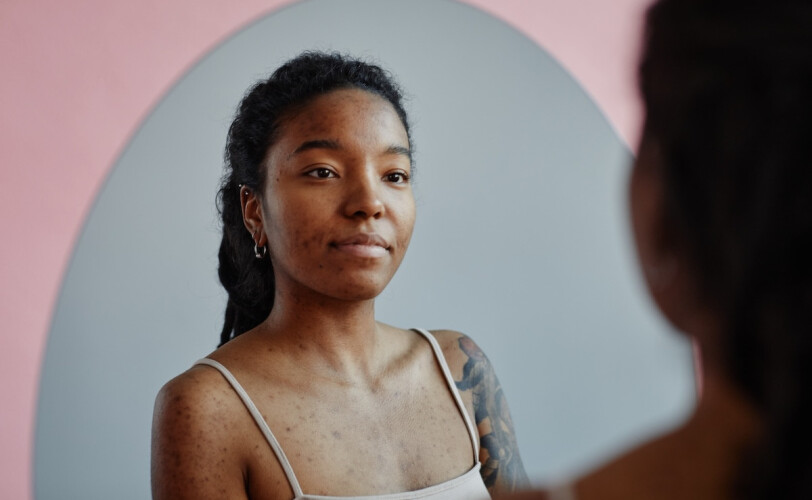
For many, the experience of living with PCOS extends far beyond the physical symptoms. It can bring emotional strain, uncertainty, and a sense of being dismissed or overlooked. In my practice, I have met women who have spent years seeking answers before finally receiving a diagnosis. Some were told to ‘come back when trying for a baby’ or advised simply to ‘lose weight’, leaving them feeling unheard and unsupported. These experiences are far from uncommon and can take a significant emotional toll.
What is PCOS?
PCOS is a common and complex hormonal disorder in which the ovaries may develop many small follicles or ‘cysts’. These are one of several possible symptoms caused by an underlying hormonal imbalance. PCOS is one of the leading causes of fertility difficulties in women and can also carry increased risks during pregnancy.
It is associated with a range of potential health complications, including insulin resistance, type 2 diabetes, sleep apnoea, cardiovascular disease, endometrial cancer, and fatty liver disease. Common symptoms include irregular or absent periods, irregular ovulation, acne, excess hair growth, hair loss, and changes in weight.
The exact cause is not fully understood, but research suggests a combination of genetic, hormonal, and metabolic factors. Symptoms vary considerably from person to person. Some women experience only mild effects, while others find that PCOS impacts multiple areas of their lives.
At the moment, there is no single test to confirm PCOS. Diagnosis is usually made through a combination of symptoms, blood tests, and ultrasound findings - a process that can sometimes lead to delays and frustration.
What causes PCOS?
Although the exact cause is unknown, several hormonal imbalances are thought to influence the development and severity of PCOS. Insulin resistance plays a key role for many women. Insulin is a hormone that regulates blood sugar, but when the body’s tissues become resistant to its effects, the pancreas produces more insulin to compensate. High levels of insulin can prompt the ovaries to produce excess testosterone, which may lead to symptoms such as acne, hair growth, and weight gain.
Excess body fat can, in turn, increase insulin production, creating a difficult cycle. Elevated testosterone and other hormonal changes are believed to contribute to many of the physical symptoms of PCOS.
The challenge of diagnosis and support
PCOS affects women in different ways, so not everyone will have all the related symptoms. Some may experience only mild changes, while others face more complex or severe effects. This wide variation makes PCOS particularly challenging to diagnose and manage, as no two cases are exactly alike.
Originally, it was thought that the small cysts on the ovaries caused the condition, but these are now recognised as one possible feature rather than the root cause. This has led to confusion over the name, both among professionals and the public. There are discussions about renaming the condition to better reflect its underlying hormonal nature, which may help improve understanding and care in the future.
Research has found that up to a third of young women may have polycystic ovaries visible on ultrasound, yet many of these women ovulate normally and have balanced hormone levels. In other words, having polycystic ovaries does not necessarily mean having PCOS.
Many women describe the journey to diagnosis as confusing and, at times, disheartening. GP appointments can be brief, waiting lists long, and symptoms are sometimes minimised or attributed to lifestyle choices. These experiences can erode trust and leave women questioning their own bodies. Once a diagnosis is made, doctors may refer patients to specialists such as gynaecologists or endocrinologists for ongoing management.
The emotional impact of PCOS
Living with PCOS can profoundly affect how a woman feels about herself and her body. Visible symptoms such as acne, hair growth, or changes in weight can challenge confidence and self-image, while fertility concerns may bring grief and uncertainty.
Understanding the link between PCOS and mental health
Research shows that women with PCOS are more likely to experience anxiety, depression, and low self-esteem than those without the condition. Yet emotional well-being is rarely discussed in medical settings, where attention often remains focused on test results or fertility outcomes.
The silence around the emotional impact can leave women feeling isolated. It’s not uncommon to hear someone say they feel ‘out of control’ or ‘disconnected’ from their body. These are valid and understandable responses to a complex and unpredictable condition.
Living with uncertainty
PCOS can be unpredictable. Symptoms may change over time, and advice about management can differ between professionals. This uncertainty can be exhausting. For some, it creates a sense of constant vigilance around food, exercise, or appearance. For others, it brings a quiet but persistent worry about the future.
The emotional energy required to manage this ongoing uncertainty is often underestimated. It can affect relationships, confidence, and overall well-being. Simply acknowledging how difficult this can be is an important step toward self-compassion.
Finding understanding and support
Although there is currently no cure for PCOS, there are effective ways to manage symptoms and reduce health risks. Treatment is usually tailored to the individual and may include medical support, nutritional guidance, physical activity, and lifestyle changes. With the right care, many women successfully manage their symptoms and improve their well-being.
Support from others can make a real difference. Connecting with women who share similar experiences - through local groups, online communities, or educational resources - can offer reassurance and understanding.
How counselling can help you live well with PCOS
Counselling can also provide a safe, confidential space to explore the emotional aspects of living with PCOS. Therapy is not about ‘fixing’ the condition, but about understanding its impact on your identity, confidence, and relationship with your body. It can help you process feelings such as frustration, shame, or sadness, and develop a kinder, more balanced way of supporting yourself.
Many women find that having their experiences acknowledged and validated brings a sense of relief and hope. If you are living with PCOS, remember that your experience matters. You deserve care that recognises you as a whole person, not just a set of symptoms. With the right information, support, and compassion, it is possible to live well alongside PCOS and to reconnect with trust and confidence in your body and yourself.
Living with PCOS can affect many areas of life, from confidence and relationships to self-esteem. Working with a therapist or counsellor can offer a safe space to explore these feelings and develop tools for greater self-compassion and resilience. If you’re considering therapy, you might start by exploring options on the Counselling Directory.

Find the right counsellor or therapist for you
All therapists are verified professionals


