Grief doesn't follow a timetable, so why do we expect it to?

Something I've noticed as a counsellor is just how much pressure people can put on themselves when they're grieving. Not necessarily because anyone has told them they should be feeling differently, but because somewhere along the way they've developed an idea of how grief is supposed to work.
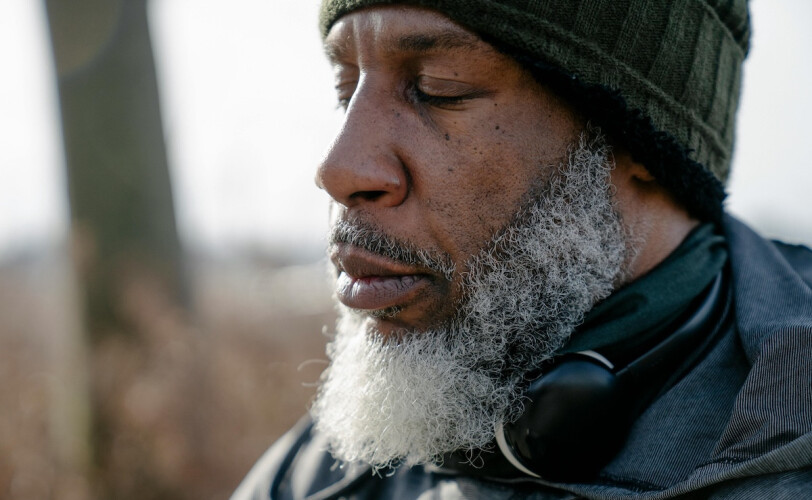
We seem to have this expectation that after a certain amount of time, things should start getting easier. And when they don't, we begin questioning ourselves.
It's something I've thought about quite a lot, particularly through my work supporting people experiencing bereavement, life-limiting illnesses and the challenges of caring for somebody they love. Because the more I've come to understand grief, the less convinced I am that there's a right way to experience it.
What does moving on actually mean?
We hear people talk about moving on all the time. It's generally said with good intentions, and I understand why. Nobody wants to see someone they care about struggling. But I've often wondered what we're actually expecting somebody to move on from.
When you've shared years of your life with someone, built routines together, made plans and experienced all those ordinary moments that make up a relationship, how do you simply move on from that? I don't think you necessarily do.
Your life changes, sometimes in ways you never imagined. You might find yourself doing things alone that you've always done together. Making decisions without the person you would normally turn to. Even something as ordinary as going shopping or coming home to an empty house can feel completely different.
And perhaps that's something we don't always appreciate about grief. It's not just missing the person. It's adjusting to all the little things that came with having them in your life.
The pressure to be OK
Something else I've noticed is how quickly people can begin worrying about how their grief affects those around them.
They might feel uncomfortable becoming upset in front of family members or worry that friends are getting tired of hearing about their loss.
Sometimes people tell us we're being strong, and while it's usually meant kindly, I wonder whether that can create its own pressure. What happens when you don't feel strong? What if you're angry, exhausted, or simply having a day when everything feels too much?
I think we can sometimes become so concerned with how we're supposed to be coping that we forget to give ourselves permission to experience what's actually happening. And grief isn't always sadness. It can involve anger, guilt, relief, confusion and sometimes even moments of happiness. You might experience several of these feelings in the same day.
That can be difficult to make sense of, especially when you feel you should be experiencing something else.
Grieving someone who's still here
Through my work supporting carers and people affected by life-limiting illnesses, I've become particularly interested in the losses that can happen before somebody dies.
We don't always recognise these experiences as grief.
Perhaps your partner has developed an illness that's changed your relationship. The person you love is still there, but the life you shared looks very different. You might have become their carer, taken on responsibilities you never expected or found yourself making decisions that once belonged to both of you.
You can love somebody enormously and still miss the life you had before. I think that's something people can find particularly difficult to acknowledge.
There can be guilt in admitting you're tired, frustrated or frightened about the future. You might feel you shouldn't be having those thoughts because the person you're caring for is the one who's unwell. But your experience matters too.
Recognising that something is difficult doesn't mean you love somebody any less.
When grief catches you by surprise
One of the things I find interesting about grief is how unpredictable it can be.
You might have had a relatively good week. You've been busy, seen friends, perhaps even started looking forward to something. Then you're driving somewhere, and a particular song comes on the radio. Or you find something tucked away in a drawer. And suddenly you're reminded of what you've lost. I don't think that necessarily means you've gone backwards.
We sometimes talk about grief as though it's a journey with a beginning, middle and end. There are theories and models that can help us understand different aspects of bereavement, but they aren't instructions for how an individual should grieve.
People don't all experience the same emotions in the same order. And just because you felt reasonably OK yesterday doesn't mean you have to feel that way today.
What about the good days?
There's another side to grief that I think deserves more attention.
Sometimes people can feel guilty when they start enjoying themselves again. Perhaps they've laughed with friends, made plans for a holiday or met somebody new. And then they find themselves questioning whether they should be doing those things.
I wonder whether part of that comes from the idea that continuing to grieve somehow demonstrates how much somebody meant to us. But does enjoying life again really mean we've forgotten them? I don't believe it does.
You can miss somebody and still have a good day. You can feel sad about what's happened and still look forward to the future. Those experiences don't have to cancel each other out.
Does grief need fixing?
As a person-centred counsellor, I don't see grief as something that automatically needs fixing.
Of course, grief can become overwhelming, and there are times when people need additional support. But experiencing sadness, anger or uncertainty after a significant loss doesn't necessarily mean there's something wrong with you.
Sometimes I think we can be too quick to look for solutions when somebody is struggling. We want to offer advice, suggest things they could try or reassure them that everything will eventually be OK. And while those responses usually come from a caring place, they aren't always what somebody needs.
Sometimes people want to talk about the person they've lost. Sometimes they want to talk about how angry they feel, or how unfair everything seems. And sometimes they don't want to talk at all.
I think there's something important about being able to sit with somebody's experience without feeling we have to change it. For me, that's an important part of counselling. Giving somebody the space to explore what they're experiencing, at their own pace, without deciding where they should be in their grief.
Perhaps we need to stop measuring grief
I don't think we necessarily stop missing someone. And I'm not convinced we should be expected to.
Over time, things might change. We might find ourselves enjoying life again, making plans or having a laugh without immediately feeling guilty. But that doesn't mean the person we've lost matters any less.
Perhaps instead of asking ourselves why we're still grieving, we could begin to recognise that grief is a very personal experience.
Some days will be easier than others. Certain dates or memories might always feel difficult. And that's not necessarily a sign that we're doing anything wrong.
If there's one thing my work has taught me, it's that people don't need another set of expectations about how they should be feeling. They often have enough of those already. Sometimes what they need is the opportunity to be themselves, whatever that looks like on the day.

Find the right counsellor or therapist for you
All therapists are verified professionals