Empty nest syndrome: the unspoken grief of children leaving home

There are moments in life that we expect to happen, yet somehow they still take us by surprise. For many parents, watching their children grow into independent adults is something they have spent years preparing for. We encourage them to spread their wings, celebrate their achievements and reassure ourselves that this is exactly what we hoped for. Yet when children leave home, many parents experience a profound sense of loss.
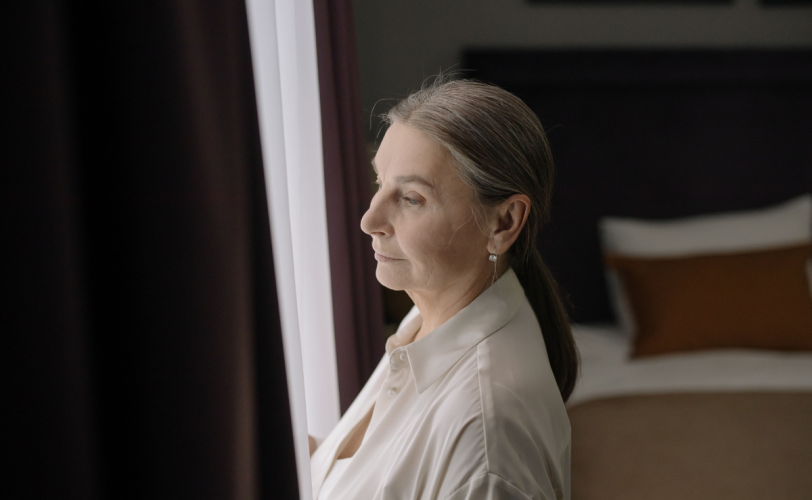
Often referred to as empty nest syndrome, this period can bring unexpected feelings of sadness, loneliness, anxiety and uncertainty about the future. Although it is not a recognised mental health diagnosis, it is a very real emotional experience for many people. So why, when this is exactly what we wanted for our children, can it feel so painful?
Perhaps the house feels different. The washing basket is emptier. The school run is over. The routines that once shaped your days have disappeared almost overnight. You may find yourself wandering into an empty bedroom or reaching for your phone to send a message before remembering that life has moved on.
These changes can leave many parents feeling unexpectedly sad, anxious or unsure of themselves. Yet because this is seen as a normal stage of life, people often feel they should simply get on with it. The truth is that you may be grieving-not the loss of your child, but the loss of a role that has been central to your identity for many years.
More than an empty house
Being a parent isn’t simply something we do; it often becomes part of who we are. For years, your time, energy and decisions may have revolved around caring for someone else. School events, family meals, lifts to clubs, exam worries and everyday conversations have all woven themselves into the fabric of your life.
When those responsibilities naturally begin to fade, it can leave an unexpected question: who am I now? This isn’t selfish. Nor does it mean you love your child too much or haven’t encouraged their independence. It simply reflects that an important chapter of your life has come to an end.
Holding two feelings at once
One of the hardest parts of the empty nest is that it often brings conflicting emotions. You may feel incredibly proud of your child while also missing them deeply. You may feel excited about their future while mourning the changes in your own.
These feelings can exist together. Joy and grief are not opposites; they often walk alongside one another. Giving yourself permission to acknowledge both can be an important step towards adjusting to this new season of life.
When earlier losses resurface
Major life transitions rarely exist in isolation. While the empty nest is often understood as a natural and expected stage of life, it can also act as a kind of emotional echo chamber, where feelings from earlier experiences may quietly re-emerge.
If you have lived through significant losses in the past-such as bereavement, divorce, separation, miscarriage, estrangement, or even periods of profound loneliness or instability – your child leaving home may stir something deeper than you initially expect.
You might notice emotions that feel larger than the present situation alone can explain. A sense of grief that seems to arrive suddenly. A heaviness that feels familiar, even if you can’t immediately place it. Or a wave of sadness that doesn’t quite match the practical reality of your child simply moving into a new stage of independence. This can be confusing, especially when you believe you 'should' be coping well.
In reality, what is happening is often a layering of experiences. The present moment is not only about your child leaving home-it may also be touching earlier chapters of your life where you had to adapt to loss, change or separation. The nervous system does not always distinguish neatly between past and present. Instead, it responds to emotional meaning. Something about this transition may unconsciously resemble earlier experiences of letting go, being left, or having life change in ways you did not choose.
For some people, this can bring up unresolved grief that was never fully processed at the time. Life often requires us to keep going, even when we are hurting, and so certain emotions can remain stored rather than be fully expressed. A later life event-such as the empty nest-can gently (or sometimes quite powerfully) bring those feelings back into awareness.
You may also find that this stage prompts reflection on identity and attachment. If your role as a parent became a stabilising force during earlier difficult periods, its shift or reduction can feel unsettling in ways that go beyond the present moment. It is not uncommon for people to realise that parenting has also been a source of structure, meaning, or emotional anchoring during other losses in their lives.
None of this means you are overreacting or that your response is disproportionate. It simply means that your emotional world is layered, and that current change can awaken older experiences that still carry emotional weight.
Recognising this can be an important step. It allows you to respond to yourself with more understanding, rather than judgement. Instead of asking, “Why am I feeling this so strongly?” you might gently begin to ask, “What might this be connected to in my life story?”
Sometimes, the empty nest is not only about children growing up. It is also an invitation to acknowledge the parts of your own history that may still need care, attention, or space to be heard.
And in that sense, what feels like a loss can also become an opportunity. Not to reopen old wounds unnecessarily, but to finally give them the recognition and compassion they may not have received at the time.
A time of transition
The empty nest often invites us to rediscover parts of ourselves that may have been quietly waiting in the background. Perhaps there are friendships to reconnect with, hobbies you’ve long neglected or dreams that were placed on hold while raising a family. This isn’t about replacing your role as a parent. That role never disappears. Instead, it’s about allowing your identity to grow alongside your child’s independence.
Although the empty nest is a common life transition, that doesn’t mean it is easy. Counselling offers a space where you don’t have to minimise your feelings or apologise for them. Together, we can explore the changes you’re experiencing, make sense of conflicting emotions and begin to discover what this next chapter might look like for you.
Life doesn’t stop when children leave home. It changes, and with time, compassion and support, many people find that this new season becomes one of growth, renewed purpose and a deeper understanding of themselves.
If you’re finding this transition more difficult than you expected, know that you’re not alone. Sometimes, simply having someone alongside you as you navigate change can make all the difference.

Find the right counsellor or therapist for you
All therapists are verified professionals