Supporting all loss: Disenfranchised grief

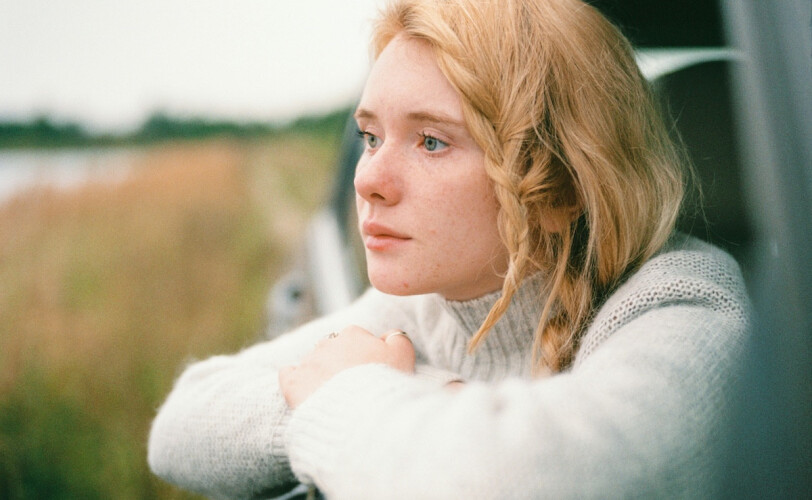
Grief is a universal human experience, yet not all grief is treated equally. Some forms of loss are openly acknowledged and supported, while others are quietly dismissed or misunderstood. This is known as disenfranchised grief - grief that is not socially recognised or validated, leaving individuals to mourn in silence.
Disenfranchised grief can arise in many situations, including:
- loss of a pet
- miscarriage or stillbirth
- loss of a friendship
- loss of a job or home
- the death of someone from an unhealthy or stigmatised relationship
- the end of an unhealthy or abusive relationship
When society minimises these types of losses, people often feel ashamed, isolated, or even guilty for grieving “too much” or “at all.” Yet the reality is simple: a loss is a loss. When you experience grief, you have the right to mourn - regardless of whether others understand or validate that experience.
My experience with disenfranchised grief
After the recent death of my cat, who had been part of my life for 15 years, I found myself struggling with feelings I didn’t expect. Alongside profound sadness came waves of guilt, shock, and even relief. Bella had been through many milestones with me - moves, relationships, children, career changes - and her absence left a noticeable void. Yet when I tried to talk about my grief, I often felt embarrassed or dismissed. Comments like “Just get another cat” made me hesitate to share how deeply I was hurting.
It wasn’t until I began reading about disenfranchised grief that I recognised what I was experiencing: a grief that wasn’t just about the loss of a pet, but the loss of a constant, loyal companion woven into my daily life. Understanding this helped me validate my own mourning process - and helped me see how many types of loss can leave people feeling similarly unseen.
Where to find support
If you are experiencing disenfranchised grief, know that you are not alone. Support is available through a range of resources.
- For pet loss: Pet loss hotlines, such as the Blue Cross Pet Loss Support helpline, offer confidential, compassionate support. Online communities like The Ralph Site provide spaces to connect with others who understand.
- For miscarriage or stillbirth: Organisations like Sands (Stillbirth & Neonatal Death Charity) offer a national helpline, local support groups and online forums. Tommy’s provides a Midwives’ Helpline, email support, and specialist counselling programmes.
- For friendship, relationship or family losses: Grief counsellors can help process complex feelings, including when losses involve unhealthy, abusive, or estranged relationships. Trusted friends, family, or peer groups can also provide important emotional validation.
- For job or home loss: Career counsellors, financial advisors, and mental health professionals can assist with both the practical and emotional impacts of these major life disruptions.
- For stigmatised losses (such as addiction or suicide-related deaths): Specialist grief services and anonymous helplines, such as SupportLine, can offer nonjudgmental, confidential support.
How to care for yourself during grief
In addition to seeking external help, there are meaningful steps you can take to care of yourself during grief, such as:
- Practice self-compassion – Remind yourself that your feelings are valid. Speak to yourself as you would to a friend, with kindness, patience and understanding.
- Journal your emotions – Writing can help clarify thoughts, relieve emotional pressure, and track your journey over time.
- Talk to someone you trust – Even if they haven’t experienced the same type of loss, having someone listen without judgment can ease feelings of isolation.
- Create a memory space or ritual – Light a candle, frame a photo or keep a small memento to honour your loss. Rituals can help give meaning and structure to your grief.
- Care for your physical wellbeing – Grief can take a physical toll. Prioritise rest, nourishing food, gentle movement and quiet time when you are able.
Disenfranchised grief can be an isolating experience, but it is important to remember that grief does not require anyone else’s permission to exist. Whether you are grieving the loss of a pet, a job, a relationship, or any other, your grief is real, your experience is valid, and you are allowed to mourn.

Find the right counsellor or therapist for you
All therapists are verified professionals