Dating apps, loneliness and mental health

You are not failing at dating. Dating, as it is currently designed, is failing you. If you have ever put your phone down after an hour of swiping, feeling somehow lonelier than before you picked it up, you are in very large company.
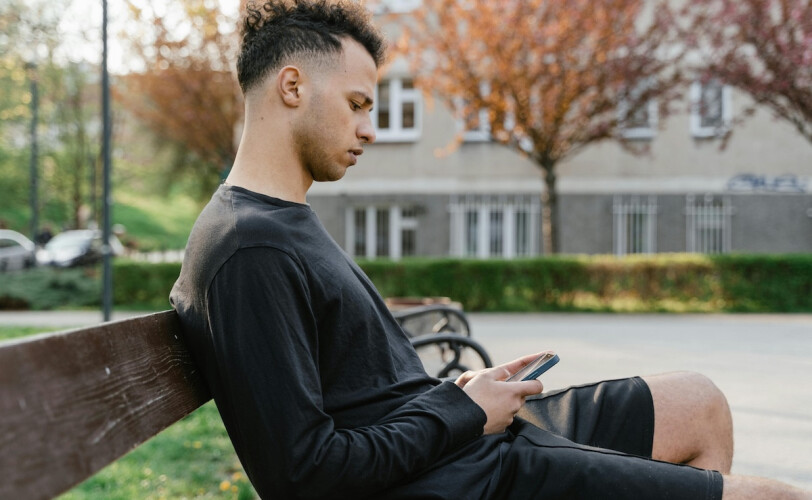
Research published earlier this year, drawing on data from more than 26,000 people across 23 studies, confirmed what many had already suspected: people who use dating apps consistently show worse mental health outcomes than those who do not. Higher rates of depression, anxiety, loneliness and psychological distress are all associated with regular dating app use.
This does not mean that everyone who uses a dating app will struggle. But it does mean that the emotional weight many people carry around modern dating is not a personal failing. It is a reasonable response to an environment that has been specifically engineered to keep you engaged, uncertain and coming back for more.
As a person-centred counsellor, I am seeing the impact of this more and more. People who are articulate, self-aware and genuinely ready for connection, finding themselves caught in cycles of hope and disappointment that leave them questioning their worth, their judgement and whether genuine connection is still possible.
It is, but understanding what is happening can help.
Why apps are designed to make you feel this way
Dating apps are not primarily designed to help you find a relationship. They are designed to maximise your time on the platform. Variable reward systems, the same psychological mechanism that makes gambling compelling, keep users scrolling by making matches unpredictable and intermittent. When you do receive a match, a message or attention, the dopamine response is real. When you don’t, or when a promising connection simply vanishes without explanation, the drop is equally real.
Ghosting, the sudden, unexplained withdrawal of someone you have been talking to, is so prevalent in online dating that it has become normalised. Yet the emotional impact is not normal. Research suggests that experiences of social rejection can activate some of the same brain regions involved in processing physical pain. It can trigger existing wounds around abandonment and rejection, amplify shame and leave people wondering what they did wrong, when very often they did nothing wrong at all.
Many dating app matches never develop into conversations. This means that even mutual attraction does not protect against the experience of rejection and silence. Over time, this accumulates. The nervous system begins to anticipate disappointment. Hope becomes harder to sustain.
Loneliness in a connected world
There is a particular cruelty to loneliness that arrives in the midst of apparent connectivity. Being chronically online, perpetually available, and still feeling profoundly unseen is one of the defining emotional experiences of our time. Over a quarter of UK adults are currently experiencing chronic loneliness, and yet it remains one of the most stigmatised feelings to name out loud.
For those navigating dating as a South Asian, Black or mixed heritage person, the layers of loneliness can be compounded. The question of whether a potential partner will understand your cultural world. The family commentary that makes singleness feel like a failure. The isolation of feeling caught between communities in a dating landscape that was not designed with your complexity in mind.
None of this is your fault. All of it deserves support.
What counselling can offer
Therapy cannot make dating apps less exploitative or make other people behave better. What it can do is offer you a space to understand your own patterns, process the accumulated emotional weight of modern dating, and approach connection from a clearer, more grounded place.
For those navigating dating, loneliness and the search for connection, I often find that what people need most is not advice about how to write a better profile. It is space to understand what they are genuinely looking for and why, to explore the ways in which their history may be shaping their present choices, and to build a relationship with themselves that does not depend on external validation to feel secure.
This kind of work might help if you:
- feel like you are giving more than you receive in dating situations
- find yourself drawn repeatedly to people who are unavailable, inconsistent or ultimately unkind
- experience a disproportionate sense of devastation when things do not work out
- are exhausted by dating but afraid that stopping means giving up on connection entirely
- feel lonely in ways that go beyond romantic relationships
- are navigating the specific pressures of dating within or across cultural communities
You deserve to feel genuinely connected. Not just matched, liked or chosen but truly known and met. Therapy can be the beginning of finding your way there.

Find the right counsellor or therapist for you
All therapists are verified professionals