Can sex therapy really work online?

Most people who get in touch with a sex and relationship therapist have been thinking about it for a long time. When they finally decide to ask for help, many wonder whether something so personal can be done over video.

Below I explain how online sex therapy works, what can be easier about it, how to set things up at your end and when it might not suit you.
What sex therapy involves
Sex therapy, also called psychosexual therapy, is a talking therapy. People come with all sorts of difficulties, including low desire, a difference in desire between partners, erection or arousal problems, pain during sex, trouble reaching orgasm and the strain any of these can put on a relationship.
Sessions are just talking. Nobody undresses, and there is no physical examination. We talk about what's been happening, how you feel about it, what you've tried so far, and what you'd like to be different. Your therapist might suggest something to read or try at home in your own time. Because it's all conversation, it works well over video.
What a typical online session is like
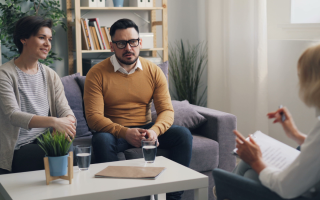
An online session is the same length as a face-to-face one and follows much the same pattern. You join a secure video call from a place you've chosen, and talk with your therapist. Couples usually sit together in front of one screen. Some therapists also offer individual sessions as part of couples work or see one partner on their own. It's worth asking what's available.
What are the benefits of online sex therapy?
In my experience, many people prefer online sessions, and for some, it's what makes them reach out in the first place. There's no waiting room, no risk of running into someone you know on the way in, and no need to explain to anyone where you're going.
Without travel or parking to think about, it's easier to fit sessions around work and childcare. That helps when therapy runs for several weeks or months. Some people also find it easier to talk about sex in their own surroundings than in a therapist's room.
You also have more choice. Specialist sex and relationship therapists aren't spread evenly around the country, so working online means you can choose someone with the right training rather than whoever is nearest.
Setting up your end
In my experience, how you set up your space can make the difference between sessions that really help and sessions that never quite get going or feel disjointed. Your therapist will have prepared their end, but it needs to work both ways.
Before your first session, think about:
- a private space where you won't be overheard, ideally with a door you can close;
- headphones if there's anyone else nearby;
- what you'll do if someone knocks or a child walks in (it does happen and your therapist will be used to it);
- a strong Wi-Fi or mobile connection – therapy needs to feel safe and steady, and you don't want the call dropping just as you're talking about something difficult;
- a few minutes before and after the session so you're not rushing in from a work call and straight back out again.
The space doesn't have to be at home. Clients often find their own solutions, such as a parked car, a private room at work over lunch or anywhere else they can use privately on a regular basis.
When online therapy might not suit you
Online therapy doesn't work for everyone. If you can't find anywhere to talk without being overheard, you may find yourself holding back, and that can limit what therapy can do.
Some sexual problems also have a physical cause, so it's important to rule that out. The NHS advises seeing a GP if erection problems keep happening, as they can be linked to conditions such as high blood pressure or diabetes. Pain during sex is also worth getting checked by a GP or sexual health clinic. Therapy can go alongside medical treatment but shouldn't replace it.
Choosing a therapist
The same things are worth checking whether you see someone online or in person:
- Look for someone trained specifically in sex and relationship therapy.
- Check they're registered with a professional body. The College of Sexual and Relationship Therapists (COSRT) has a searchable register.
- Ask which video platform they use and whether sessions are recorded. Usually they shouldn't be.
- Have an initial conversation. Many therapists offer a short first call, and it will tell you far more about whether you can talk to them than a profile will.
So, can it work?
Yes. For many people, online therapy works well, and it can feel like an easier first step. The most important thing is finding a therapist you feel comfortable enough with to start talking.

Find the right counsellor or therapist for you
All therapists are verified professionals