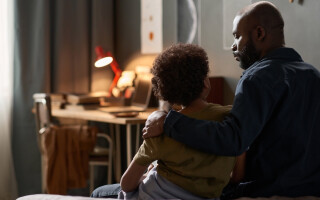
Behind closed doors: teen loneliness

As a counsellor working with teenagers and families, I’ve seen how silence can scream the loudest. In the wake of the COVID-19 pandemic, one of the most insidious scars left behind isn’t physical, it’s emotional. The aching loneliness lingers in bedrooms, behind closed doors, and pauses between words at the dinner table.

Social isolation and disconnection are now amongst the most pressing mental health issues we face, and it’s hitting our teenagers the hardest.
The hidden epidemic of loneliness
Loneliness isn’t just a fleeting feeling. It’s a slow erosion of the soul. Research from the Office for National Statistics in the UK shows that young people aged 16–24 reported the highest levels of loneliness during and after the pandemic. Far from the stereotype of the endlessly connected, this is a generation living online but longing for real emotional connection.
And loneliness doesn’t just feel bad, it is bad. Prolonged isolation has been linked to:
- increased risk of depression and anxiety
- poor sleep and concentration
- heightened stress levels and weakened immune response
- even increased risk of early mortality.
COVID-19 intensified these issues. School closures, cancelled rites of passage, and chronic uncertainty meant many young people missed out on vital social development. For those already struggling with identity, such as LGBTQ+ teens, the isolation became even more profound.
The digital illusion of connection
Many teenagers today retreat into their bedrooms not because they’re lazy or antisocial but because the world outside doesn’t feel safe enough to be real. Social media offers an illusion of connection: likes instead of listening, DMs instead of deep understanding. But behind the screen, many feel unseen.
Case study: Declan’s story
Declan, 16, came to counselling after his school referred him for low mood and social withdrawal. He spent hours alone in his room, gaming or scrolling TikTok, rarely speaking at home. His parents were worried, often saying, “You should get a girlfriend. You’ll feel better if you get out and meet girls instead of staring at that screen all day.”
But Declan wasn’t just quiet, he was afraid.
Declan is gay. He hadn’t told anyone. Every time his parents assumed otherwise, he nodded along, heart pounding, too scared to correct them. The loneliness he felt wasn’t just social, it was existential. He was hiding his true self in plain sight, suffocating him.
In counselling, Declan began to unpack this loneliness. Week by week, in a space where nothing was assumed and nothing was judged, he found the words to describe what he felt: invisible, scared, and exhausted. Over time, he began to understand that his withdrawal wasn’t laziness, it was protection, a self-defence mechanism against the fear of rejection.
With support, Declan built the confidence to speak to a trusted teacher. He didn’t come out to his parents right away, but he began writing them letters he might one day give them. He joined an LGBTQ+ youth group online. Most importantly, he stopped feeling alone in his skin.
How counselling can help
Counselling creates a rare space completely attuned to the person sitting in it. For teenagers like Declan, this space becomes a lifeline. Therapy can:
- help young people put feelings into words instead of silence
- rebuild self-esteem that’s been quietly eroded by disconnection
- offer a space to experiment with honesty and identity
- teach practical emotional tools to manage anxiety and low mood
- encourage safe reconnection with family, school, or peers
When teenagers feel truly seen, something remarkable happens: they begin to look outwards again. Connection becomes possible, not forced. Reconnection starts from within.
A generation worth listening to
There’s no one-size-fits-all solution to the loneliness epidemic, but we must start by listening. We must listen not just to the noise on social media or the surface of behaviour but to what’s beneath it. Behind every closed bedroom door is a story waiting to be told.
Counselling offers a place where that story can unfold, be honoured, and gently rewritten.
If you’re a parent, carer, or young person reading this and recognising the quiet weight of loneliness, please know this: you are not alone, and it doesn’t have to be this way forever. The door to connection is still open. Sometimes, it just takes someone walking alongside you to find it again.

Find the right counsellor or therapist for you
All therapists are verified professionals