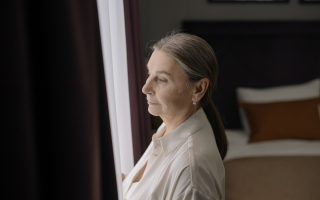
The emotional impact of menopause
Changes in your period. Sleep difficulties and night sweats. Hot flushes and palpitations. A glass or two of wine seems to exact revenge the next morning in a way it never did before. Your body feels different; maybe you have a bit less energy, flexibility, or stamina.
At the same time, you may have challenging teens at home or ageing parents needing assistance. You may have risen through the ranks at work and, although you love the sense of accomplishment, some days and weeks feel really challenging. There’s a lot going on in your life, and sometimes it all seems a bit overwhelming.
If all this feels familiar, and you're in your forties (maybe a bit earlier or later), you may be experiencing perimenopause. While there's growing awareness of the physical symptoms of menopause, its impact on mental health often receives less attention. This life transition can bring both challenges and opportunities.
In this video, K. Murphy explores how menopause can affect mental health and how counselling may help you navigate this challenging time.
What is menopause?
Menopause is usually confirmed after 12 months without a period, provided you're not using hormonal contraception. In the UK, the average age for menopause is around 51. Perimenopause is the transition leading up to menopause, when hormone levels fluctuate, and symptoms may begin. It can last several years, although the duration varies from person to person.
Although menopause is natural and part of the ageing process, these years can be more emotionally and physically challenging than we expect. Just like the onset of menstruation, the changes you go through can feel awkward, isolating, bewildering, and contradictory.
At times, it feels like everything is up for grabs – your moods, how your body is behaving, what you think you want, and who you want to be. Many factors are connected during perimenopause and menopause. Hormones, physical changes, sleep issues, and life stresses can all affect how we feel. This can make it difficult to understand what's behind our difficulties.
Your life during the menopause transition is like a delicate ecosystem. Even small changes in one area can impact other areas, requiring you to tend carefully to yourself to nourish the parts that have stopped flourishing.
What is actually going on in the body?
During perimenopause, levels of hormones such as oestrogen and progesterone fluctuate as ovarian function changes. This can cause symptoms such as hot flushes, night sweats, changes in the menstrual cycle, vaginal dryness, and reduced libido. From a mental health standpoint, you may experience symptoms such as persistent low moods, brain fog, low motivation, anger, and even a return of previous psychological conditions.
Scientists are still unravelling the exact interplay between hormones and our mental health, but there is nonetheless solid research that helps us understand what is going on in the body during perimenopause.
Oestrogen plays a role in brain processes that affect mood, including those involving serotonin, a chemical messenger that helps regulate mood, sleep, and other functions. Changes in oestrogen levels during perimenopause may contribute to mood changes. However, sleep difficulties, stress, and other factors can also affect how you feel.
Oestrogen levels can fluctuate unpredictably during perimenopause, which may contribute to changes in mood. These fluctuations can sometimes make you feel as though you're on a rollercoaster. Changes in progesterone levels may also play a role in sleep and mood changes during perimenopause.
Testosterone levels also change with age and may play a role in sexual desire. However, changes in libido during menopause can have several causes, including physical symptoms, emotional wellbeing, and relationship factors.
Due to hormonal fluctuations, menopausal symptoms can also affect transgender men and non-binary people. Menopause can affect people of different genders, not just cisgender women.
Obviously, we are not just our hormones. How your menopause transition feels depends on many other factors, such as:
- Your overall health and stress levels.
- Attitudes toward menopause and openness to discussing it – do you feel supported by your employer and your loved ones? What are your own attitudes towards it?
- Your current life satisfaction – are you where you want to be? How are your relationships? Have you had the children you wanted to have?
- Your comfort with your body and its journey of change.
- Your mental health – do you have a history of anxiety, depression, or other mental health issues? Do you engage in self-reflection and self-care?
Menopause and mental health
Perimenopause and menopause can affect mental health in different ways. Let's look at some of the common experiences.
Depression and anxiety
Research suggests that the risk of depressive symptoms can increase during perimenopause, particularly for those with a history of depression. Depression during perimenopause may involve irritability, changes in mood, and a loss of interest in everyday activities. These symptoms can sometimes be overlooked.
Symptoms of anxiety also rise during perimenopause. For some people, this may manifest as nervousness, while for others, it can lead to panic attacks and a constant feeling of vigilance. Other perimenopausal symptoms such as the feeling of a hot flush, changes in the menstrual cycle, and palpitations can themselves trigger anxiety. The menopause transition can also be a time when previous trauma or childhood issues can come into focus, potentially feeding anxious and depressive symptoms.
If you're experiencing these symptoms, speak to your GP about the support and treatment options available.
Sexuality, relationships, and body image
Libido may reduce or disappear, leaving you without a desire for something that may previously have brought you pleasure and connection. Some of this loss is directly due to changing hormone levels impacting levels of desire, but often losing your sex drive is due to other issues brought about by menopause.
People can experience pain during intercourse and vaginal dryness as a physical side effect, and may simply be more tired than usual due to night sweats and sleep disturbances. Often, psychological elements, such as beliefs about ageing and desirability, can come in as well. Changes in libido can be frustrating or distressing, but they don't necessarily last forever. Sexual desire may improve over time, and support and treatment options are available if these changes are affecting your wellbeing.
If the sexual connection changes, partners may feel insecure or rejected. Menopause symptoms can also affect relationships, particularly when partners struggle to understand what someone is experiencing. Feelings of irritation, anger, anxiety, and lack of motivation can add further strain.
Body image issues may emerge or re-emerge at this time as well. The changes of menopause, such as weight gain and body shape changes, can be profoundly disorienting. You may find hot flushes or night sweats embarrassing, or find yourself dressing to hide areas of your body.
Cognitive changes
Changes in oestrogen levels may also affect thinking and concentration. During perimenopause, it’s common for people to experience:
- difficulty concentrating
- brain fog
- feelings of overwhelm in situations that previously would have felt fine
- fatigue
- lack of motivation for things that were once engaging
- amplified emotions, particularly anger and frustration.
These symptoms may be particularly obvious in the workplace. The pressures many women have felt throughout their careers to fit into a male-dominated environment may cause you to minimise your symptoms, making coping even more difficult.
Questions of identity and purpose
The menopause transition can seem like a time of loss – of youth, desirability, looks, and opportunities. This can prompt a deep look at where you are in your life. Women are socialised to believe that as we age, we lose our beauty, our attractiveness, and our power. However, attitudes towards ageing and menopause vary across cultures, and these can influence how people experience this stage of life.
Menopause is viewed differently according to cultural background. In some communities, it may be seen as a time of greater wisdom and empowerment, while in others, it may be associated with stigma or negative attitudes towards ageing. These different perspectives can shape how people feel about menopause and the support they receive.
Menopause experiences can also differ according to ethnic background. Research from the US-based Study of Women's Health Across the Nation (SWAN) suggests that Black women may experience menopause earlier than white women. The study also found that Black women experienced hot flushes and night sweats for longer, on average. Researchers suggest that social and economic inequalities, including the effects of structural racism, may contribute to some of these differences.
There can be other questions surrounding the subject of identity and purpose. Maybe you wanted children but couldn’t, and there’s grief around that door closing for you. Maybe you’re assessing your future and realise that you’re not where you wanted to be, financially, professionally, or in your relationships, and are feeling shame around that. You might have a sense that the person you thought you were has disappeared, or the things you once thought were important are no longer. This can feel very vulnerable and challenging to explore.
Five tips for improving your mental health during menopause
Educate yourself – explore trusted resources, such as the NHS menopause information, to better understand the physical and emotional changes that can happen during perimenopause and menopause. Books, documentaries, and personal experiences can also offer useful perspectives.
Talk to your friends about what you’ve learned and are going through, and compare notes. Sharing your experiences can help you feel less alone.
Adapt or improve your self-care. For some, this may mean taking up meditation, changing your diet, or trying out a new type of exercise. For others, this may mean compassionately scaling back and learning more about your energy cycles and capacity, and what feels renewing and nourishing.
Find space and time for yourself – to reflect, to feel, to slow down, and to sense into your new and changing experience. Introduce or return to parts of your life that nurture your values and interests and create connections, such as creative pursuits, developing skills, or exploring spiritual or religious beliefs.
Develop a good sleep routine. Simple steps such as limiting screen time an hour or two before bed, keeping the bedroom cool, having layers of bedding that can be added and shed, and getting up when anxiety is keeping you awake can really change the quality of your sleep over time.
Types of support available
If your physical and mental health symptoms are interfering with your daily life, the best first stop is your GP. Talk to them about your symptoms, and explore what treatment options are available for your particular circumstances. Your GP will consider your age, health, medical history, and lifestyle when recommending treatment. Mental health concerns during menopause aren't just linked to hormonal changes. Sleep, stress, and other life factors can also play a role, so a holistic approach may help.
Some people find complementary therapies, such as massage or acupuncture, helpful for relaxation and general wellbeing, although evidence for their effectiveness in treating menopause symptoms is limited. Counselling with a qualified therapist can also provide valuable emotional support during this time.
Some people find hypnotherapy helpful for relaxation and coping with certain menopause symptoms, although evidence of its effectiveness is limited. Read more about using hypnotherapy to ease symptoms of menopause.
How menopause counselling can help
With the right help and support, the menopause transition can be a transformational phase of life. Counsellors who specialise in menopause will understand the physical and mental effects of hormonal changes as well as the common life challenges of midlife. Where appropriate, counsellors may also work alongside your GP to support your emotional wellbeing.
Some common areas that can be explored in menopause counselling are:
- Identifying sources of anxiety, low mood, and negative thinking and learning techniques to mitigate their impact.
- Rebuilding self-confidence, particularly around the ageing body and societal norms.
- Building healthy habits around sleep, exercise, and nutrition.
- Exploring grief about the end of childbearing and other changes in identity.
- Supporting the exploration of childhood trauma or other issues that you have not reflected on in the past.
- Exploring sources of pleasure and learning new paths of sexual expression.
- Seeking out new opportunities and goals for this next phase of life and receiving support in working towards them.
- Changing how you speak to yourself about your body and learning ways to support and accept, rather than fight, yourself.
- Understanding your mother’s experience and how that may impact your own.
What clients can expect from a menopause counsellor or therapist
You should expect your counsellor to provide a safe and confidential space where you can feel heard and understood. Your counsellor can help you explore the emotional challenges you're experiencing and develop ways to manage them. They will support you to identify, understand and develop strategies to manage the symptoms you are experiencing. You may explore the origins of your issues and how the menopause transition is impacting your loved ones.
Your counsellor may help you see things from a different perspective and explore approaches that could work for you. Your counsellor should listen without judgement and support you as you consider your future priorities and challenges. Over time, counselling may help you better understand your experiences, develop coping strategies, and feel more hopeful about the future.
There’s a mystery to all transitions of the female body. We don’t know when they’ll happen or how they’ll be. For some people, the menopause transition brings about a sense of relief and freedom – the end of periods and accompanying PMS, changes in contraception needs, the lessening of societal expectations regarding parenthood and relationships, and anticipation for a time of vitality and renewal. For many others, it is a time of major disruption – physical, emotional, and spiritual – with feelings of shame, grief, and loss.
Although menopause marks the end of your reproductive years, it can also be the beginning of another fulfilling phase of life. It doesn’t mean the end of purpose, power, sex and passion, romance, caring and nurturing others, big achievements, a vital and healthy body, adventure, or peace and tranquillity. With patience, knowledge, and solid support, this transition can be deep and nourishing, creating solid foundations for your next phase of growth and evolution.
Finding support during menopause
If menopause is affecting your emotional wellbeing, talking to a qualified counsellor may help. Search for a therapist who can support you through this stage of life.
This page was written in Feb 2022 by women's and LGBTQIA+ therapist, K Murphy (MBACP, CSB).