



About me
Life can sometimes feel tangled, heavy, or strangely out of step. You might notice yourself drifting from who you are, unsure of what you need, or struggling to see a way forward. Perhaps there’s anger, grief, or confusion sitting quietly beneath the surface. Maybe you’re exploring whether you’re neurodivergent or LGBTQ+, trying to understand things that have happened in your life or simply sensing that something in your world is asking to shift.
You don’t need to arrive with clarity — we can find it together.
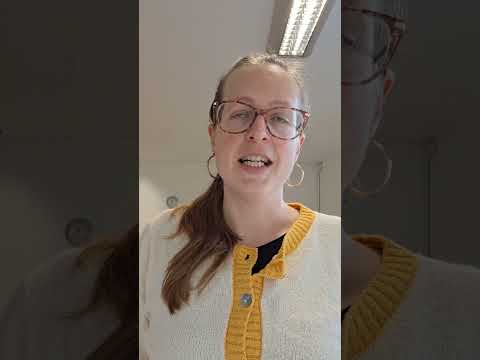
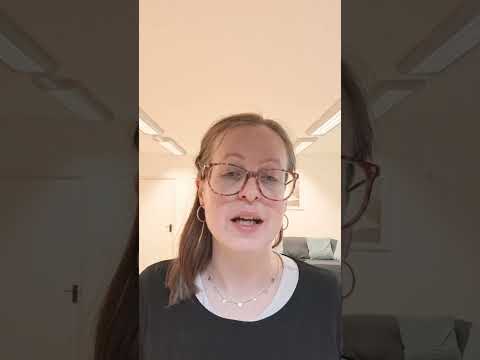
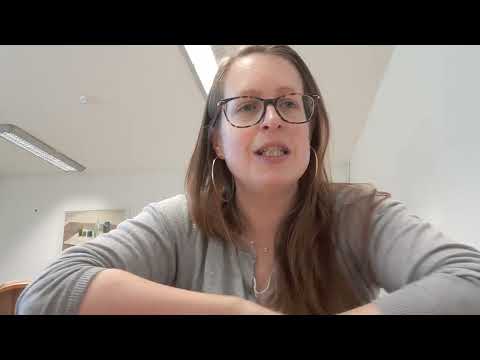
I’m Frankie, a Counsellor and Psychotherapist who works with neurodivergent and LGBTQ+ adults, as well as people who are adopted/fostered or navigating anxiety, loss, childhood trauma, and relationship difficulties. My practice is built around offering a steady, compassionate space where you can deepen your understanding of yourself and reconnect with parts of your story that have been overlooked or pushed aside.
I have extensive experience supporting people who have felt “othered” in different ways — particularly those who are care‑experienced, including people who were adopted, fostered, or who spent time in children’s homes. This part of my work is grounded in a deep respect for the complexity of early relationships and the long reach they can have throughout life. Over the years, I’ve worked therapeutically with birth families during child‑protection processes, supported parents and carers, and spent time as a therapeutic foster carer myself. I continue to provide life story work and psychotherapy for young people, adults, and caregivers through local authority services. I understand how experiences of separation, instability, or fractured belonging can shape identity, trust, and relationships — and I offer a space where these stories can be explored gently, safely, and without judgement.
Working with me is collaborative and rooted in real human connection. Our relationship forms the foundation of the work, and alongside that, I offer practical tools and supportive strategies to help you build lasting emotional resilience and self‑trust.
As a queer and neurodivergent therapist, I know how rare it can feel to be genuinely understood — especially in rural Somerset, where exploring identity can sometimes feel lonely. My practice is a place where your experiences are welcomed, honoured, and held with care.
You don’t need to be seeking therapy because you’re neurodivergent, LGBTQ+, or care‑experienced. Many people simply want a therapist who understands the nuances — the masking, the sensory overload, the identity questions, the early‑life complexities, and the quiet relief of being fully recognised.
Training, qualifications & experience
My background brings together psychotherapy, counselling, and Life Story Work, built on years of study and practical experience. I first trained in Psychology with Health, Social and Community Studies (BSc), then completed an advanced diploma in Psychotherapy and a Master’s in Counselling and Psychotherapy, where I focused on minority stress and the wellbeing of LGBTQ+ and neurodivergent people.
I’ve worked in both private practice and local authority services, giving me a strong understanding of how to offer safe, ethical support in different settings.
A large part of my work has been with people who are adopted, fostered, or who grew up in residential care. This experience has taught me how early relationships, loss, and questions of belonging can shape identity and emotional safety throughout life. I bring this awareness gently and respectfully into therapy.
Alongside my clinical work, I’m committed to improving access to inclusive practice. I deliver training, workshops, and community sessions on LGBTQ+ inclusion for schools, organisations, and local groups, helping others create safer and more affirming environments.
My therapeutic approach is flexible and collaborative. I use creative tools like sand tray work, structured methods such as CBT, and traditional talking therapy, depending on what feels right for you. At the centre of my practice is the relationship we build — a steady, trusting connection that supports meaningful change and helps you explore your story with clarity and compassion.
Member organisations
school Registered / Accredited
Being registered/accredited with a professional body means an individual must have achieved a substantial level of training and experience approved by their member organisation.

BACP is one of the UK’s leading professional bodies for counselling and psychotherapy with around 60,000 members. The Association has several different categories of membership, including Student Member, Individual Member, Registered Member MBACP, Registered Accredited Member MBACP (Accred) and Senior Registered Accredited Member MBACP (Snr Acccred). Registered and accredited members are listed on the BACP Register, which shows that they have demonstrated BACP’s recommended standards for training, proficiency and ethical practice. The BACP Register was the first register of psychological therapists to be accredited by the Professional Standards Authority (PSA). Accredited and senior accredited membership are voluntary categories for members who choose to undertake a rigorous application and assessment process to demonstrate additional standards around practice, training and supervision. Individual members will have completed an appropriate counselling or psychotherapy course and started to practise, but they won’t appear on the BACP Register until they've demonstrated that they meet the standards for registration. Student members are still in the process of completing their training. All members are bound by the BACP Ethical Framework and a Professional Conduct Procedure.
Accredited register membership

The Accredited Register Scheme was set up in 2013 by the Department of Health (DoH) as a way to recognise organisations that hold voluntary registers which meet certain standards. These standards are set by the Professional Standards Authority (PSA).
This therapist has indicated that they belong to an Accredited Register.
Areas of counselling I deal with
Other areas of counselling I deal with
Autism
ADHD
CPTSD
LGBTQ+
Queer
Lesbian
Gay
Bisexual
Pansexual
Transgender
Non binary
Therapies offered
Photos & videos


Fees
£70.00 per session
Concessions offered for
Additional information
I offer a 20 minute free initial consultation to see if I'm the right therapist for you. After that I charge £75 per session, please contact me to discuss concessions.
Sessions last an hour once a week and I ask people to come for a minimum of 6 sessions. There is no maximum number of sessions - we can work together for as long as you find it helpful.
When I work
| Mon | Tue | Wed | Thu | Fri | Sat | Sun | |
|---|---|---|---|---|---|---|---|
| Early morning | |||||||
| Morning | |||||||
| Early afternoon | |||||||
| Late afternoon | |||||||
| Evening |
Further information
Getting in touch
Please call or email me today to book a free 20 minute initial consultation to see if I'm the right therapist for you.
