Connecting with our local community

Community is there when we go after it. When we decide we are ready to approach it and make a concerted effort. When we choose it. Until then, it can feel like an amorphous blob in every village, town, city or special interest group.
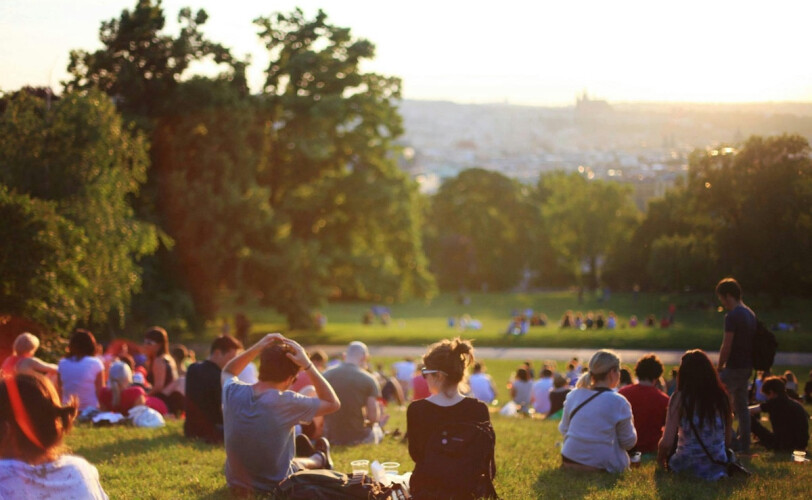
Sometimes when we are on the outside of a community, it seems everyone else has passed through its outer layer into connection, shared jokes and experiences. Friends with mutual interests.
Too busy to connect
Finding community can be hard when we are told through the social messaging of living in a globalised society that we don't have time for it. We need to be productive. Earn our money, keep fit and healthy, take on the mental load of our dependents and leave no room for a slower pace.
I'm specifically talking about in-person communities here, although of course, there are some amazing online ones available.
Barriers to finding community
Despite being raised in a community-led family, my life as an adult has not always allowed space to continue down this path. Perhaps the community was a temporary casualty of 'social mobility' here. As the first in my family to go to university, there were certain expectations that followed: professional roles, corporate 'rat-race' pressures, which made community, particularly local community life, harder to access.
Working hours left little time to do much outside of ordering in. The concept of popping to the local high street, as my grandmothers both did, for a haircut, to buy fruit, vegetables, bread and other groceries from their respective independent shopkeepers, knowing them by name, seemed an activity left in a bygone age.
The privilege of community
Now established in self employment as a full private practice therapist, I have the privilege (and damn, it is a privilege) of managing my own schedule and it finally feels like the faraway concept of being an active participant in my local community is within reach.
I've been making space to do less, having time on the weekends and non-working evenings to pause, to shop around, to talk to the people in my vicinity without rushing off. It has offered room to consider what I want from the community and indeed what community might mean. It feels like the antithesis of what hustle culture encourages.
What community means to you
It's slow, considered, and gentle. It's being present. It's time to ponder what we might like to do and who we want to connect with, and take action on that.
It's "yeah, why not?" It's not about having endless money, more having enough time not to have to do things as rapidly as possible, which can cause a tendency within many of us to 'life hack' our ways through, forgoing community and connection possibilities in the process. Stopping to hang out, going to an impromptu gathering of neighbours, attending a class, or volunteering to tidy a garden. Chatting with a person you see in the library and making them a friend. Lingering over coffee or wine.
Our community-minded self might be our holiday self. The one we dig out every year, then say at the end of the trip how we're going to make space for them and let them explore and connect all year round.
How community supports mental health
There are many groups available in local communities which support mental health and well-being, offering both general and specific interests. From managing your feelings around grief, exploring the queer scene near you or even regular events for hobbies such as knitting and tackling loneliness through talk. Why not take a trip to your local high street or community centre to see what's there? Or even consider setting up your own. Communities need people with ideas which connect.
Therapeutic counselling support in finding community
This can feel like a daunting process, and getting started can feel like the hardest part. Exploring how you want to build community and your own feelings and fears around it can be supported in therapy. Counselling Directory provides access through its search function to a wide range of therapists to suit you, to hold space for what you need, including community, which can significantly enhance your wellbeing and opportunities for connection with others.
Challenging urgency
It can feel pressurising to be ever more productive and economical, developing a false sense of urgency. But living is not about being efficient and cheap. We're human beings, not combi-boilers. So perhaps we can make space and time to explore our communities, to stop, to chat and to support local businesses and initiatives. We need each other.

Find the right counsellor or therapist for you
All therapists are verified professionals